TUTORIALS

A collection of accessible how-to’s for every coffee, tea and cocoa moment.

matcha cultivars young plant

Cultivars and genetics: why not every tea plant can be turned into matcha

In this article, you’ll discover how cultivars—the genetic varieties of the tea plant—determine how a plant responds to shade, how much umami it develops, and how creamy or bitter the final matcha will be.

Read more "
matcha terroir japan regions - 2

Terroir in matcha: why provenance affects everything

Why does matcha from Uji taste so different from matcha from Kagoshima? In this article, you’ll discover how climate, soil, altitude and shade cultivation combine to form matcha’s terroir and determine its taste.

Read more "
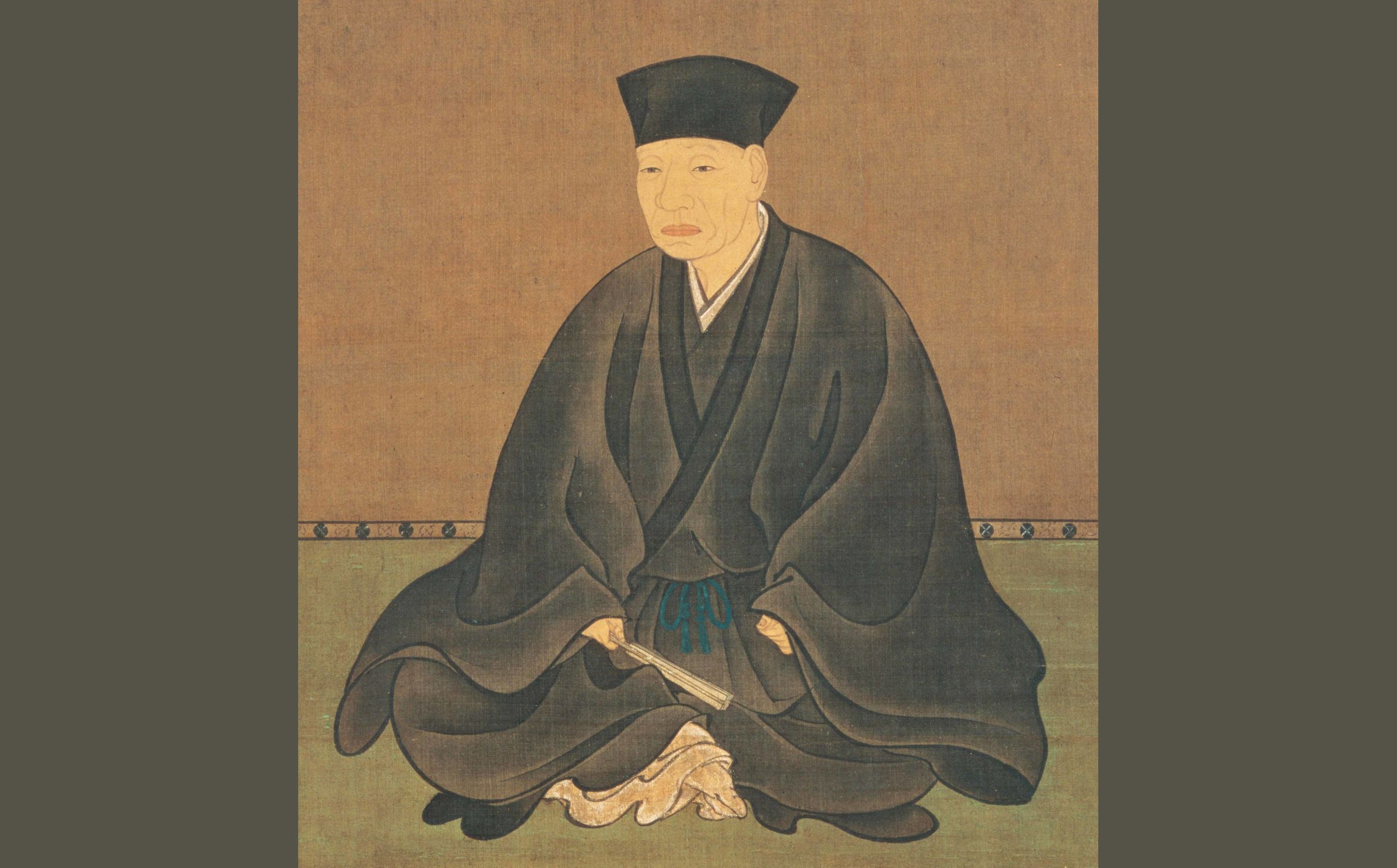
history of matcha Sen no Rikyū

The history of matcha and Japanese tea culture

Matcha is the result of centuries of development in which agriculture, religion, aesthetics and discipline have been slowly intertwined.

Read more "
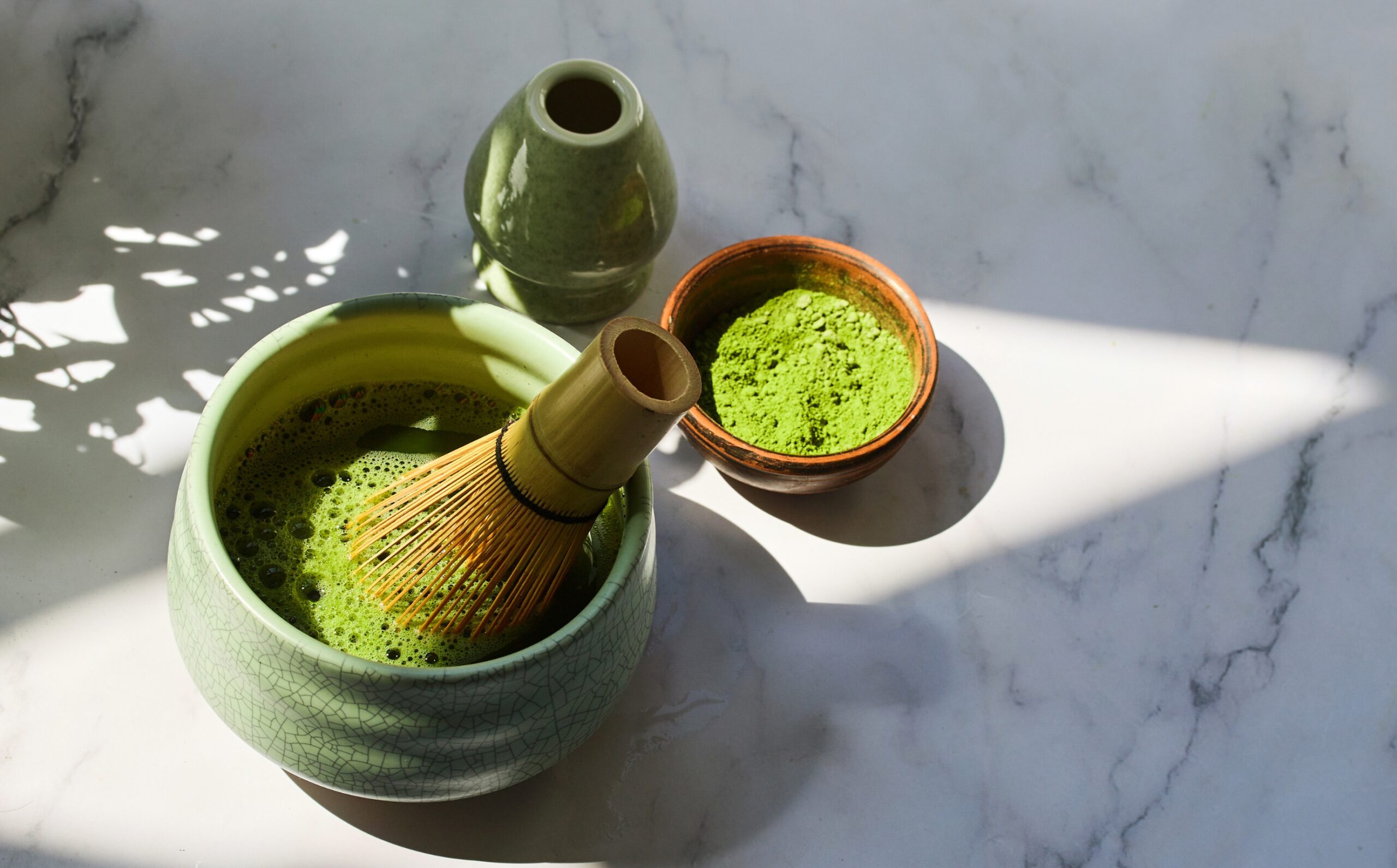
Matcha brewing station

Making matcha: water, temperature and proportions

Making matcha seems simple. Powder in a bowl, add water, whisk and done. It is this very simplicity that often makes it underrated. In reality, matcha brewing is a technical operation in which small variations have major effects on flavor, texture and balance.

Read more "
Matcha grinding stone mill AI image

How matcha is ground: stone mills, heat and texture

Grinding often seems like a detail with matcha. Something technical, something that happens somewhere at the end of the process. In reality, matcha grinding is one of the most decisive steps for what you ultimately experience in the bowl. Color, aroma, foam, mouthfeel and even bitterness are helped shape here.

Read more "
Shadow cultivation matcha

Shadow cultivation in matcha

Chapter 4: Shade cultivation changes the leaf chemistry of tea plants and is the basis for color, umami and softness in matcha.

Read more "
real matcha powder

What is real matcha (and what is not)?

Matcha is one of the most widely used but also most misunderstood tea terms at the moment. Anything green and powdery is quickly referred to as matcha. On packaging, in cafes, on social media and even in trainings. This creates confusion, disappointment and unrealistic expectations.

Read more "

PREMIUM

matcha cultivars young plant
In this article, you’ll discover how cultivars—the genetic varieties of the tea plant—determine how a plant responds to shade, how much umami

Read more “

PREMIUM

matcha terroir japan regions - 2
Why does matcha from Uji taste so different from matcha from Kagoshima? In this article, you'll discover how climate, soil, altitude and

Read more “

PREMIUM

history of matcha Sen no Rikyū
Matcha is the result of centuries of development in which agriculture, religion, aesthetics and discipline have been slowly intertwined.

Read more “

PREMIUM

Matcha brewing station
Making matcha seems simple. Powder in a bowl, add water, whisk and done. It is this very simplicity that often makes it

Read more “

PREMIUM

Matcha grinding stone mill AI image
Grinding often seems like a detail with matcha. Something technical, something that happens somewhere at the end of the process. In reality,

Read more “

PREMIUM

Shadow cultivation matcha
Chapter 4: Shade cultivation changes the leaf chemistry of tea plants and is the basis for color, umami and softness in matcha.

Read more “

PREMIUM

real matcha powder
Matcha is one of the most widely used but also most misunderstood tea terms at the moment. Anything green and powdery is

Read more “

Matcha
From shade-grown tea to the cup, this feature explains what matcha is and how its quality is achieved.

Read more “

Plant-based beverages
Here's how to make cappuccinos and lattes with a nice layer of foam.

Read more “

hoe werkt een yixing theepot
Ontdek de benodigdheden en welke theesoorten het meest geschikt zijn.

Read more “