

Laatst bijgewerkt op: 04/06/2026
CHAPTER 2
Matcha is often presented today as something modern. A trendy drink, an ingredient for latte or dessert, a “superfood” with a green aura. But matcha, at its core, is anything but new. It is the result of centuries of development, in which agriculture, religion, aesthetics and discipline have been slowly intertwined.
Anyone who sees matcha in isolation from that history is missing an important part of the story. Not out of nostalgia, but because that history explains why matcha is what it is. Why precision is so important. Why rhythm, attention and simplicity are not decoration, but functional parts of the experience.
The explanations in this article are based on the teaching materials and practical experience of Richard Schukkink, founder of the International Tea and Coffee Academy.
This article is part of the Matcha dossier. The complete overview of all articles, from cultivation and processing to brewing and applications, can be found on the overview page: Matcha explained: from tea leaf to bowl.
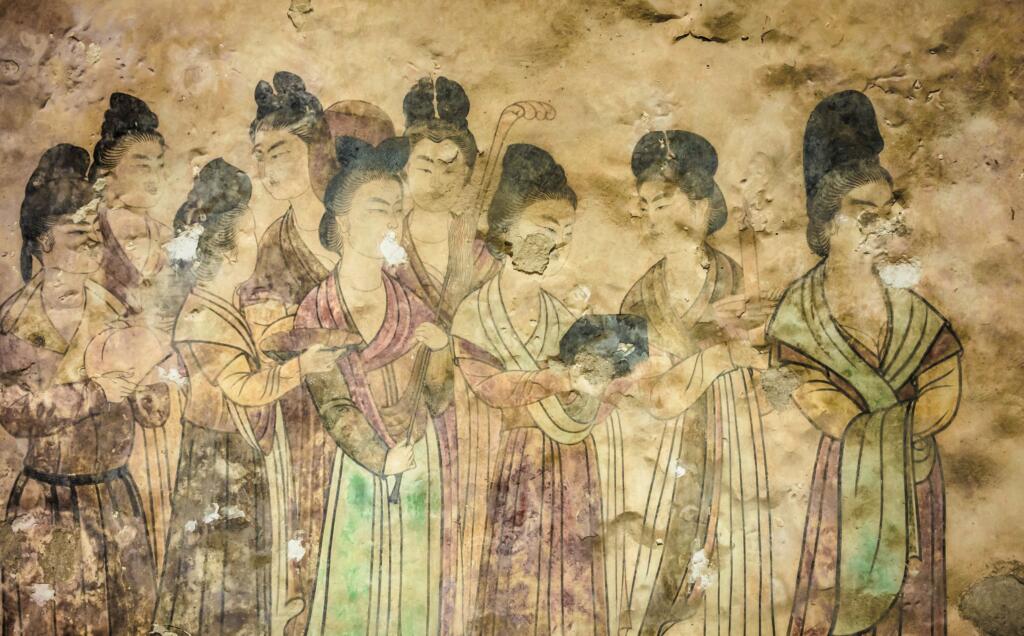
The origin of powdered tea is not in Japan, but in China. Especially during the Tang Dynasty (7th-10th century) and later the Song Dynasty (10th-13th century), tea was sometimes processed into compact forms that could be ground and whipped. During this period, tea whipping was a sophisticated practice, especially at the imperial court and within Buddhist circles. Whipping tea was not an everyday act, but a conscious, concentrated activity. Not just for drinking, but as an exercise in attention.
When political and cultural conditions changed in China, this way of drinking tea largely disappeared there. In Japan, on the contrary, it was given new life.
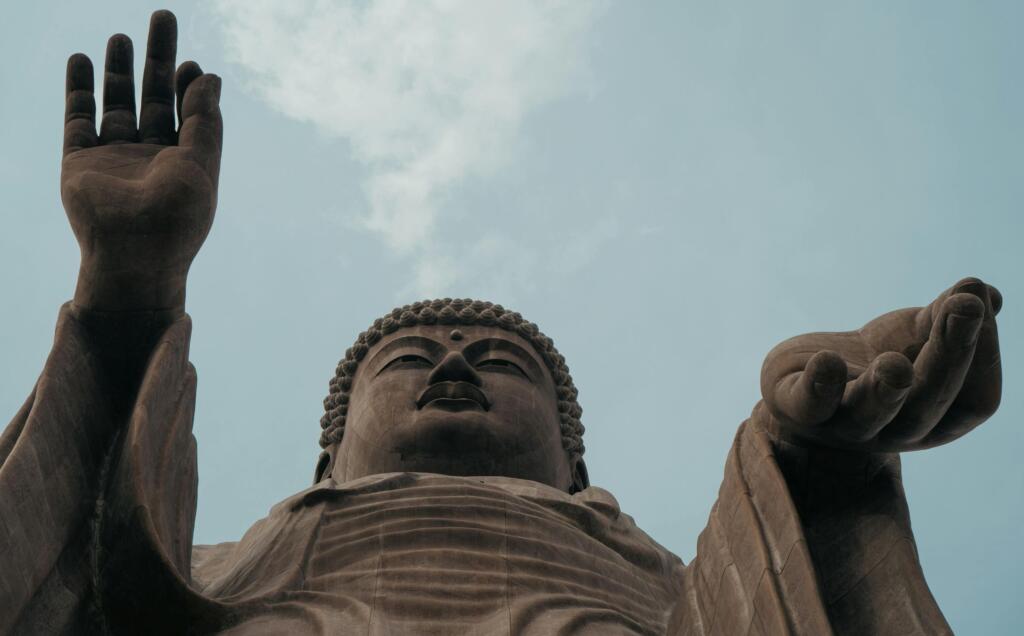
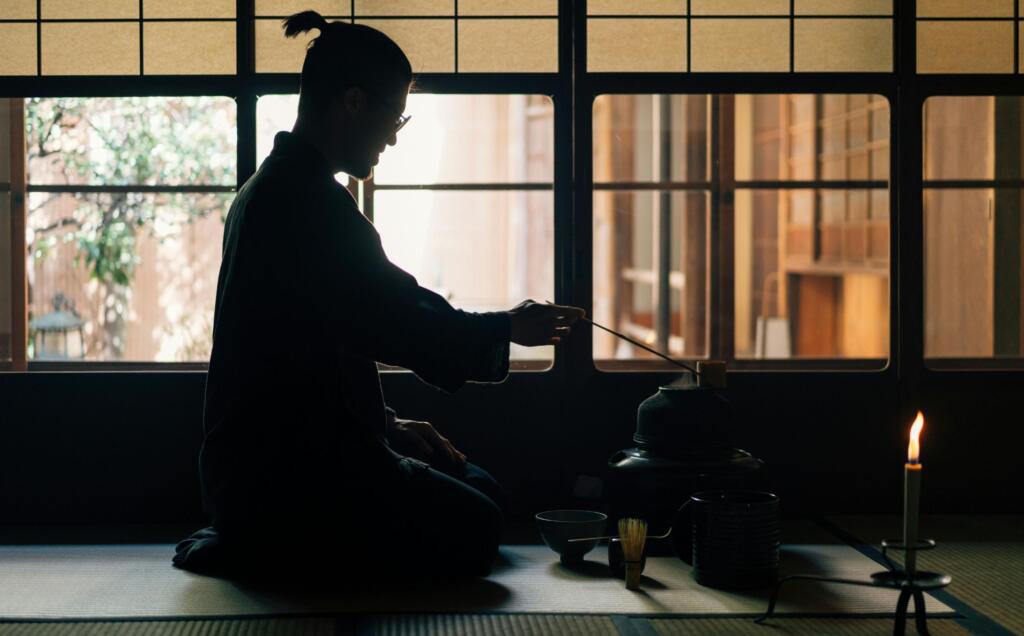
Zen monks brought powdered tea to Japan around the end of the 12th century, not as a luxury product, but as an aid to meditation. The stimulating effects of tea helped to stay alert during long sitting meditations. At the same time, the ritual of preparing and drinking it fit perfectly within Zen practice, which focuses on repetition, simplicity and concentration.
In this context, powdered tea slowly changed from a beverage to a discipline. It was not quantity or luxury that was important, but the way tea was prepared and shared. The emphasis was on presence.
That premise would permanently shape Japanese tea culture.
Between the 14th and 16th centuries, an increasingly sophisticated tea culture developed in Japan around matcha. What began as a monastic practice was also taken up by the aristocracy and later by the warrior class.
During this period a tension arose between splendor and austerity. Tea was sometimes used as a status symbol, with expensive tableware and elaborate receptions. At the same time, there remained a counter-movement striving for simplicity and modesty.
Out of that tension grew a new aesthetic. Chanoyu, literally “hot water for tea,” is the formal Japanese tea ceremony, also known as chadō or sadō (“the way of tea”). It is a ritual preparation and consumption of matcha, heavily influenced by Zen Buddhism.
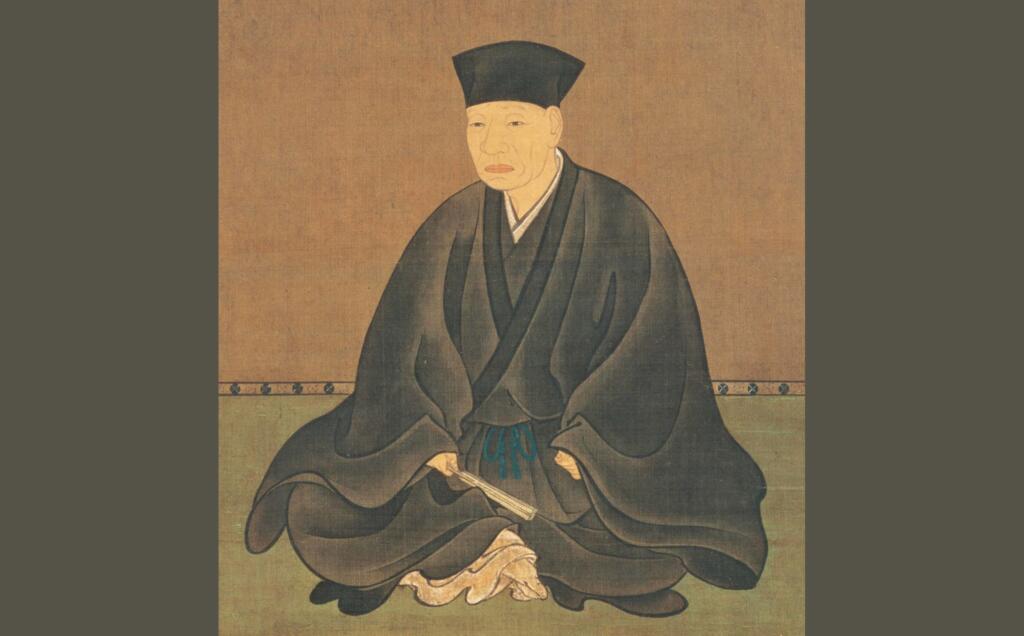
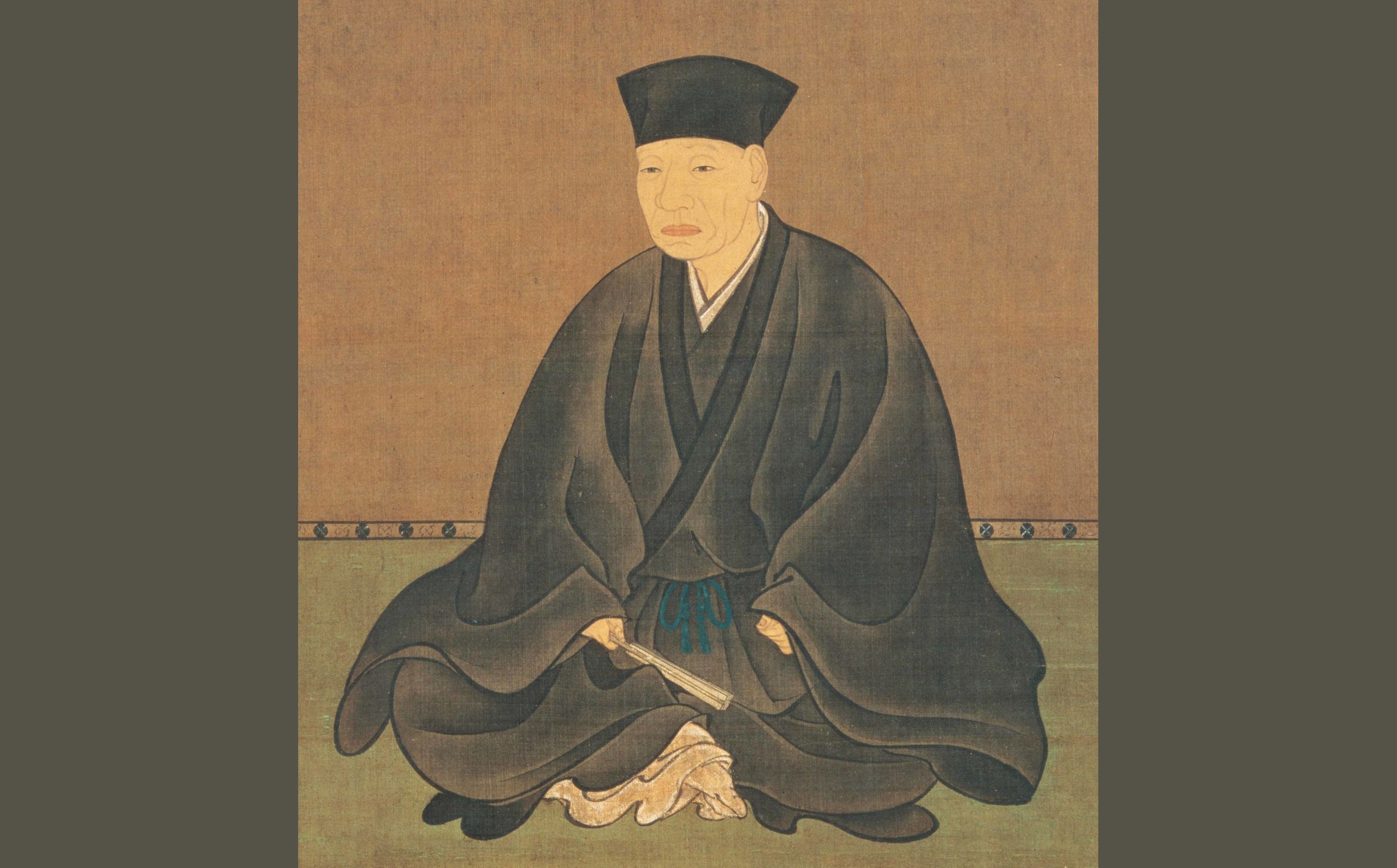
The figure who most permanently influenced this development is Sen no Rikyū. He did not invent matcha, but he determined how matcha is understood.
In the second half of the 16th century, Rikyū shifted the focus from outer wealth to inner attitude. The tea ceremony became not a demonstration of possession but an exercise in attention. Small spaces, simple materials and controlled actions became more important than luxury.
Many elements that seem obvious today with matcha originate here:
Rikyū’s influence is so great that virtually all contemporary schools of thought trace back to his ideas.
After Rikyū’s death, in the late 16th century, his descendants developed three main schools that guard and pass on the tea ceremony to this day. Together, they are often referred to as Sansenke.
Although they share the same basics, they place different emphases in practice. Those differences can be seen in pace, movement, handling of foam and presentation of the bowl.
These differences are not dogmas, but styles. They show that matcha has no set recipe, but leaves room for interpretation within clear frameworks.
Importantly, these styles are functional. They affect how aroma, texture and bitterness are perceived. Foam, for example, is not just visual, but changes how sharp or round a matcha feels.
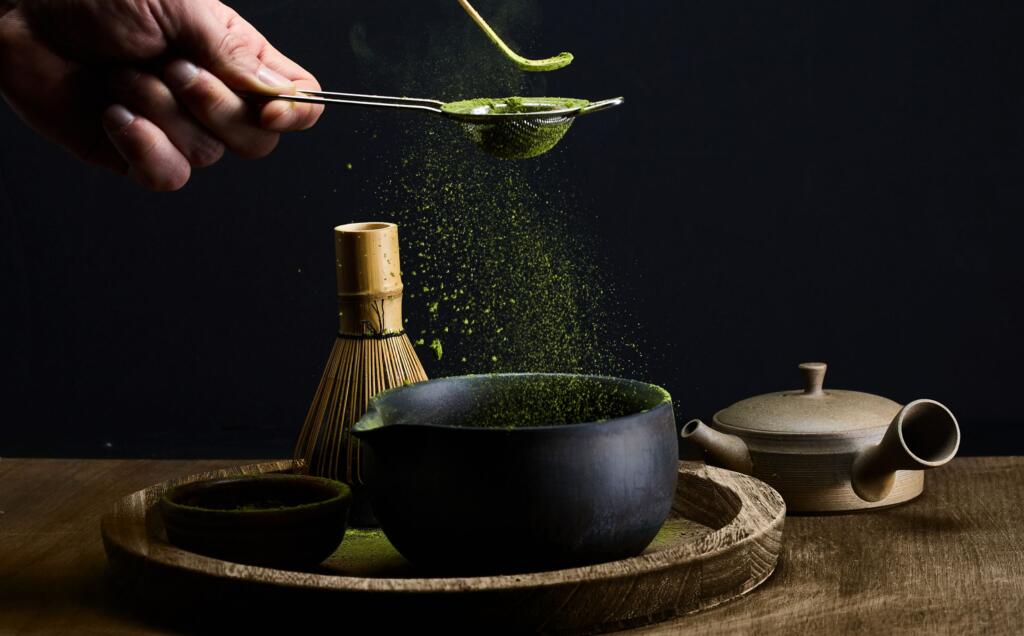
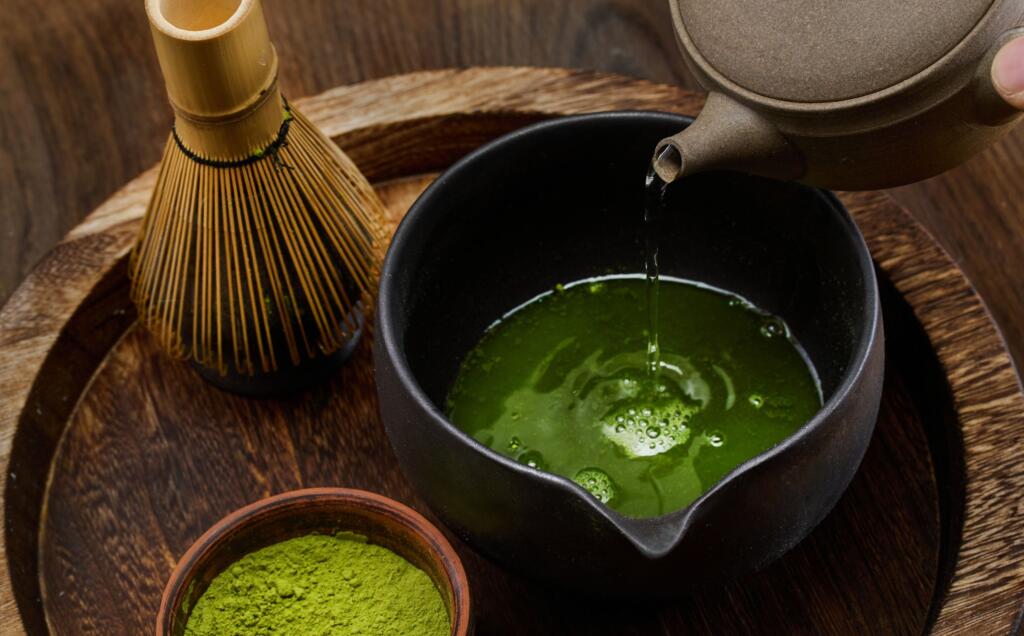
The historical development of matcha shows that it was never intended as a quick drink or technical gimmick. Precision in cultivation, processing and preparation was not created to make it difficult, but to gain control over taste and experience.
That also explains why matcha lends itself poorly to shortcuts. You can simplify the ritual, but not ignore it. Those who see only the powder and water miss the system behind it.
History helps to understand that system.
The history of matcha is not a museum piece. She explains why:
At a time when matcha is consumed worldwide, this context helps distinguish between form and content. Between tradition as setting and tradition as functional knowledge.
Matcha has been shaped by centuries of development in which discipline, agriculture and aesthetics came together. That history lives on in every bowl, whether you are formally brewing or modern serving.
Those who want to better understand matcha would do well to look not only at the powder, but also at the path it has taken.
In the following articles, we shift the focus back to the plant itself, with terroir, cultivars and the choices behind flavor.
This article is part of the Matcha dossier. The complete overview of all articles, from cultivation and processing to brewing and applications, can be found on the overview page: Matcha explained: from tea leaf to bowl.














Arabica, Robusta, Bourbon, Gesha, or SL28: the plant names on a coffee bag reveal something about the variety, flavor, and origin.

Is a lot of foam a sign of good matcha? Not necessarily.

This bright green tea powder comes from a remote mountain community in China and is perfect for tea and (iced) matcha lattes.


