


Laatst bijgewerkt op: 04/06/2026
CHAPTER 8
Making matcha seems simple. Powder in a bowl, add water, whisk and done. It is this very simplicity that often makes it underrated. In reality, matcha brewing is a technical operation in which small variations have major effects on flavor, texture and balance.
Because you drink the whole leaf, matcha is extremely sensitive to water quality, temperature and ratio. What can still be corrected with other teas is immediately open here. Matcha forgives little, but rewards precision.
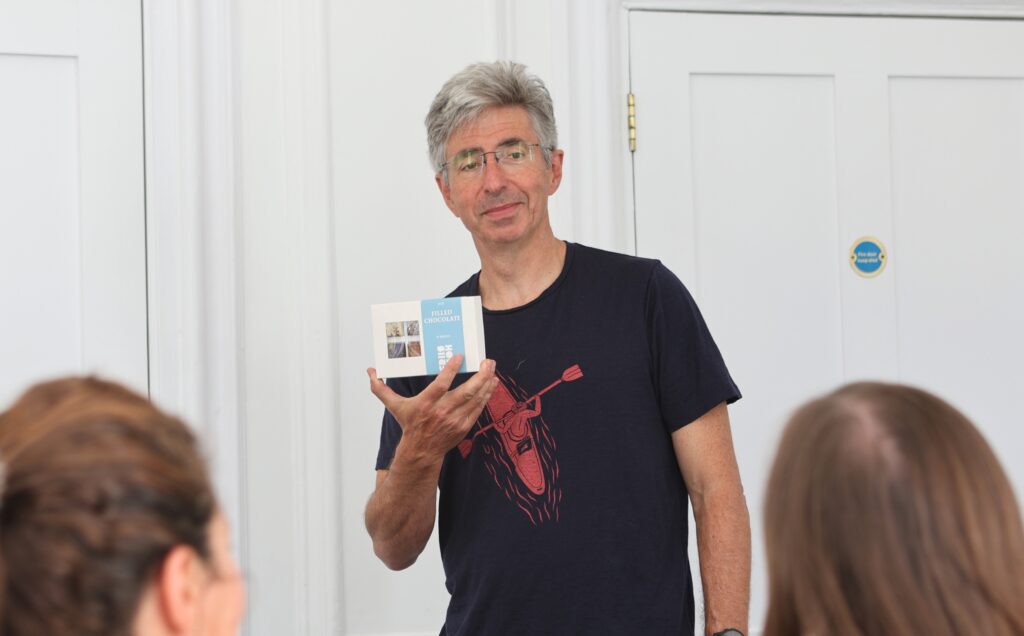
The explanations in this article are based on the practical experience and teaching materials of Richard Schukkink, founder of the International Tea and Coffee Academy.
This article is part of the Matcha dossier. The complete overview of all articles, from cultivation and processing to brewing and applications, can be found on the overview page: Matcha explained: from tea leaf to bowl.
With matcha, people often talk about powder quality, but water is just as decisive. Not only the temperature, but the composition of the water affects how bitter, umami and mouthfeel develop.
Soft water generally performs best with matcha. A practical working range is around:
Too hard water can make matcha feel flat and dull, while bitterness emerges more quickly. Too soft water, such as completely demineralized or pure osmosis without remineralization, can actually make matcha feel sharp and empty, with little body.
Consistency is more important than perfection here. One fixed water profile yields better results than constantly changing.
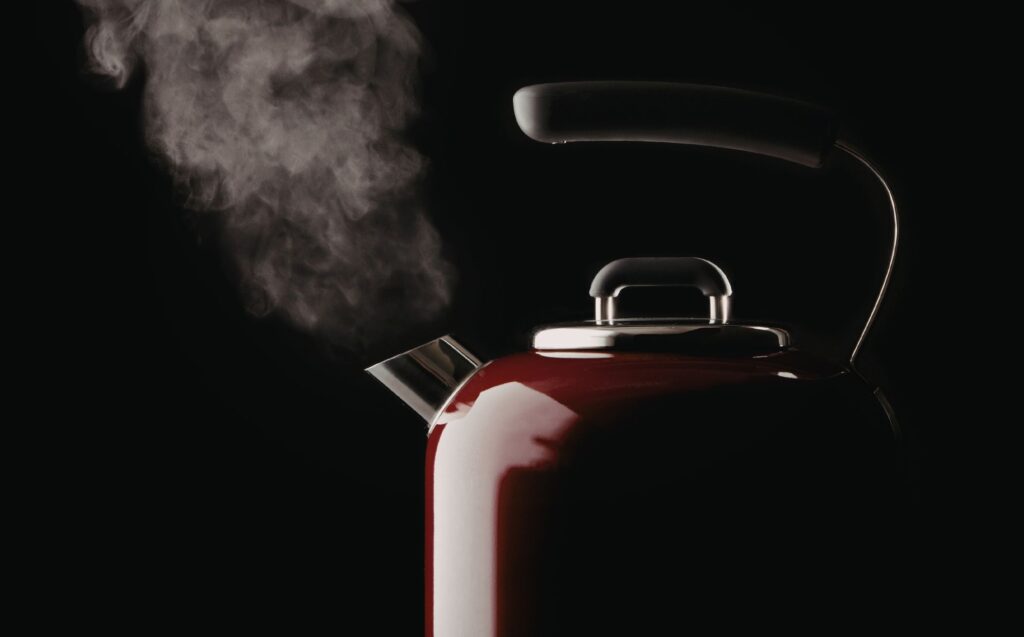
One of the most common mistakes made with matcha is using too hot water. Heat opens up bitterness and astringency faster than umami and sweetness. For most matcha, a temperature window of 70 to 80 °C works. Within that range, you can steer lower for softer, umami-driven matcha or higher for fresher, more immediate profiles.
A higher temperature is not usually used for koicha than for usucha. Higher heat increases the chance of harsh bitterness, especially at high concentration.
There are no absolute rules, but in practice the same relationships keep returning because they work.
For usucha:
For koicha:
These are starting points, not dogmas. The right ratio always depends on matcha type, freshness and desired style.
Sieving is often skipped, but is essential. Matcha easily absorbs moisture and forms lumps. These dissolve poorly and create an uneven mouthfeel.
By sifting matcha:
Sieving is not an aesthetic step, but a technical preparation.
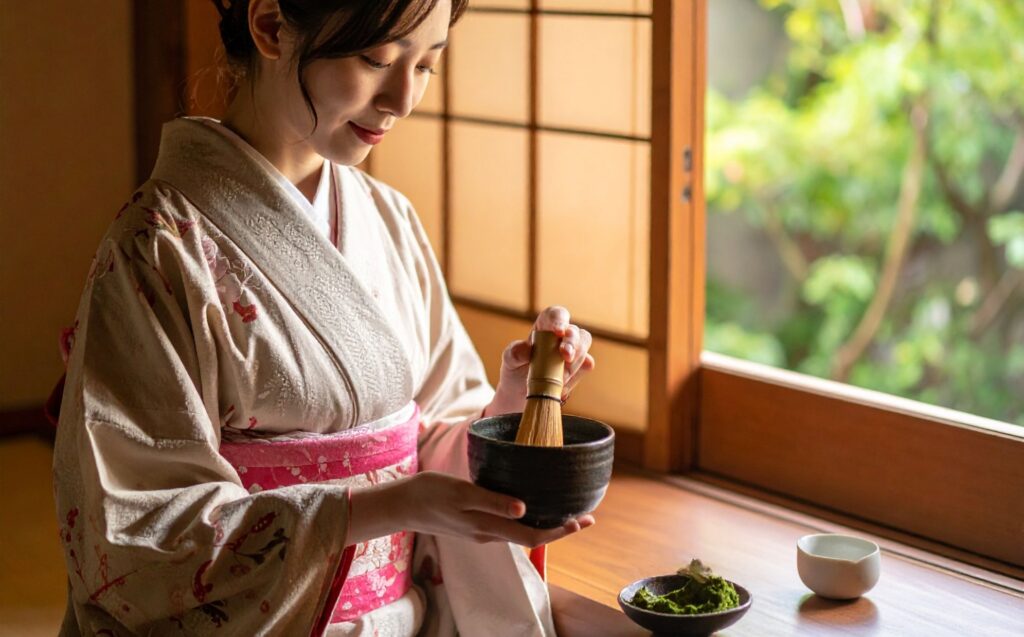
In usucha, beating is all about speed and precision. Not deep stirring, but working with the tips of the chasen.
An effective technique:
The goal is a fine, homogeneous microfoam. Large bubbles or collapsing foam often indicate too hot water, too coarse a grind or a restless motion.
Koicha requires a totally different approach. Here you don’t build foam, but structure.
The movement is slow and controlled:
The end result is shiny and syrupy, similar to honey. Bubbles are a sign that you are working too fast. Not every matcha is suitable for koicha. Only matcha with extremely well-managed bitterness remains balanced at this concentration.
Matcha leaves little room for chance. Problems are usually reproducible and thus solvable.
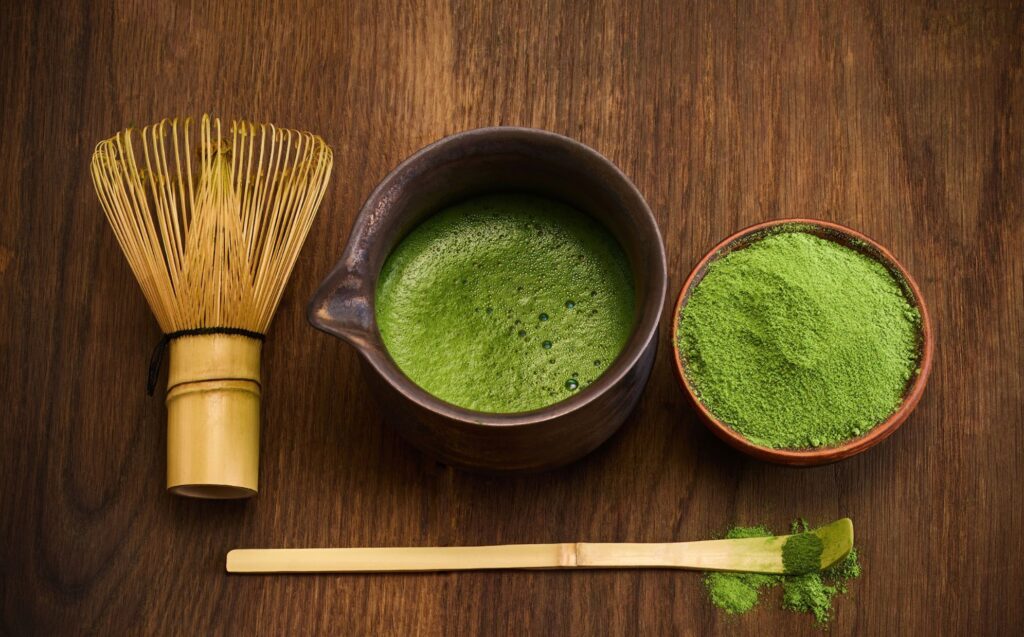
Whether you are brewing at home, training or serving in a bar, quality comes from repeatability. Work with fixed parameters:
Once that base is in place, you can add nuances. But without a fixed base, matcha remains whimsical.
Matcha brewing is not a ritualistic trick, but a technical operation in which water, temperature and proportion come together. Small adjustments have a big impact because you are drinking the whole leaf.
Those who understand and master these parameters will get more out of any matcha, regardless of style or application.
In the following articles, we explore differences between usucha and koicha, foam and style, and how matcha behaves in modern applications.
This article is part of the Matcha dossier. The complete overview of all articles, from cultivation and processing to brewing and applications, can be found on the overview page: Matcha explained: from tea leaf to bowl.













Arabica, Robusta, Bourbon, Gesha, or SL28: the plant names on a coffee bag reveal something about the variety, flavor, and origin.

Is a lot of foam a sign of good matcha? Not necessarily.

This bright green tea powder comes from a remote mountain community in China and is perfect for tea and (iced) matcha lattes.


