


Laatst bijgewerkt op: 04/06/2026
CHAPTER 7
Grinding often seems like a detail with matcha. Something technical, something that happens somewhere at the end of the process. In reality, matcha grinding is one of the most decisive steps for what you ultimately experience in the bowl. Color, aroma, foam, mouthfeel and even bitterness are helped shape here.
Matcha grinding is not simply making the leaf as fine as possible. It is controlled breaking down, under strict conditions. Those who underestimate this will see beautiful tencha turn into a dull, sharp, flat powder.
The explanations in this article are based on the practical experience and teaching materials of Richard Schukkink, founder of the International Tea and Coffee Academy.
This article is part of the Matcha dossier. The complete overview of all articles, from cultivation and processing to brewing and applications, can be found on the overview page: Matcha explained: from tea leaf to bowl.
With matcha, you drink the whole leaf. That means particle size directly affects how the powder behaves in water and in your mouth.
Giving too coarse particles:
Grinding too extremely fine can actually lead to:
The goal is not minimum particle size, but optimal distribution. Matcha must be fine enough to suspend stably and feel creamy without releasing bitterness and aroma uncontrollably.
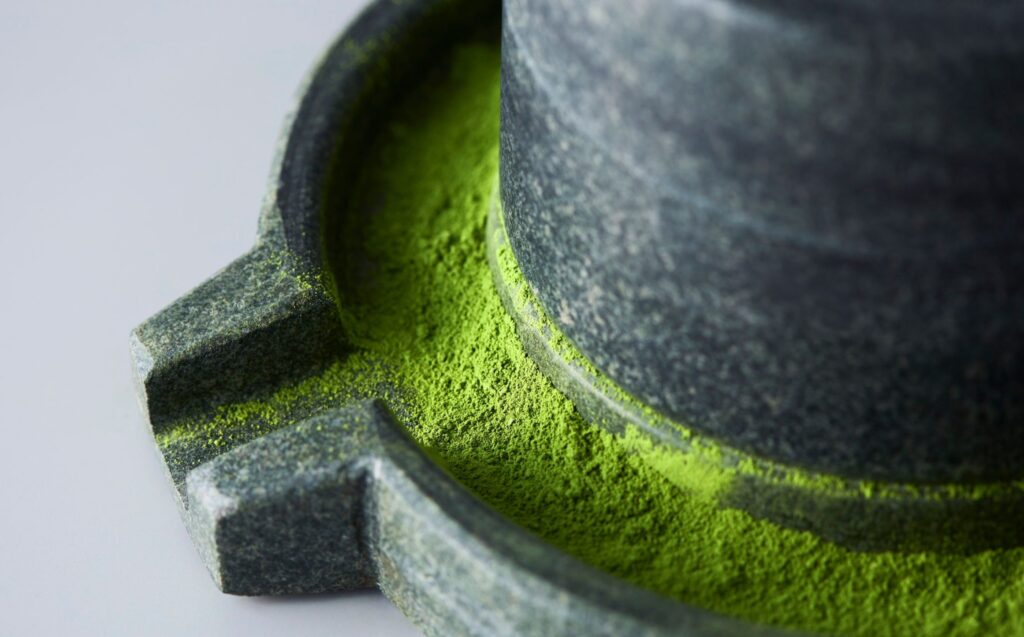
Traditionally, matcha is ground with granite stone mills, also called ishi-usu. These mills turn slowly, gradually breaking down the blade between two precisely ground stones.
The major advantage of this method is temperature control. The low speed keeps heat generation to a minimum. This is crucial, because heat accelerates oxidation and flavor loss.
In addition, a stone mill system often produces a particle shape favorable to:
The downside is capacity. Stone mills produce very little per hour. That’s not romance, it’s physics. Those who want to make premium matcha accept that time is an ingredient.
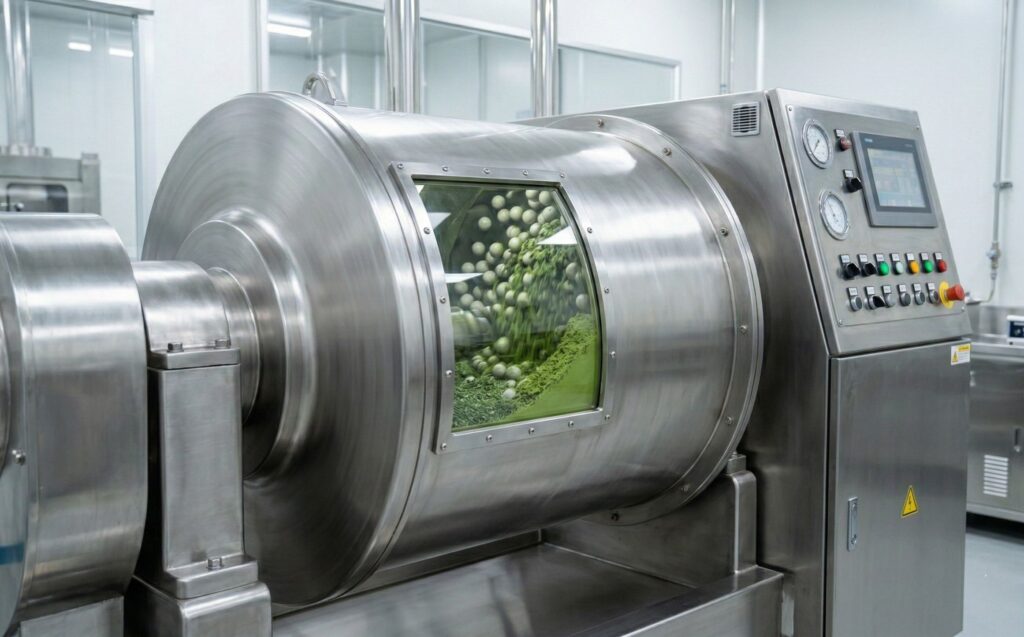
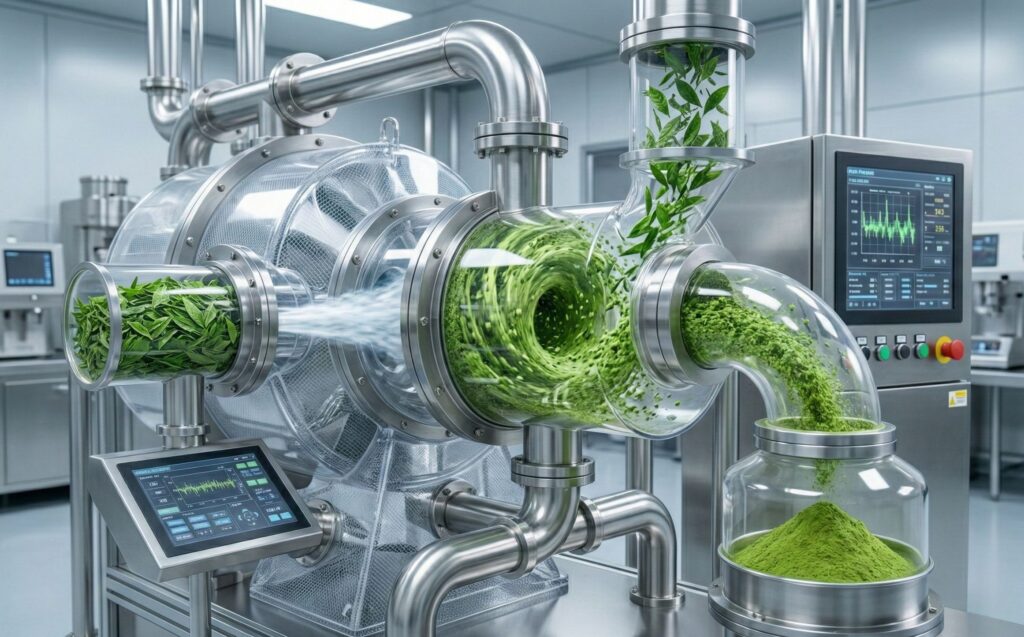
In addition to stone mills, there are modern milling methods such as ball mills and jet milling. These techniques can be more efficient and process larger volumes.
They are mainly used for:
The risk is in speed. Higher speed often means:
Therefore, modern techniques require tight process control. Without refrigeration, inert gas or short lead times, quality can deteriorate quickly, even if the output sheet is good.
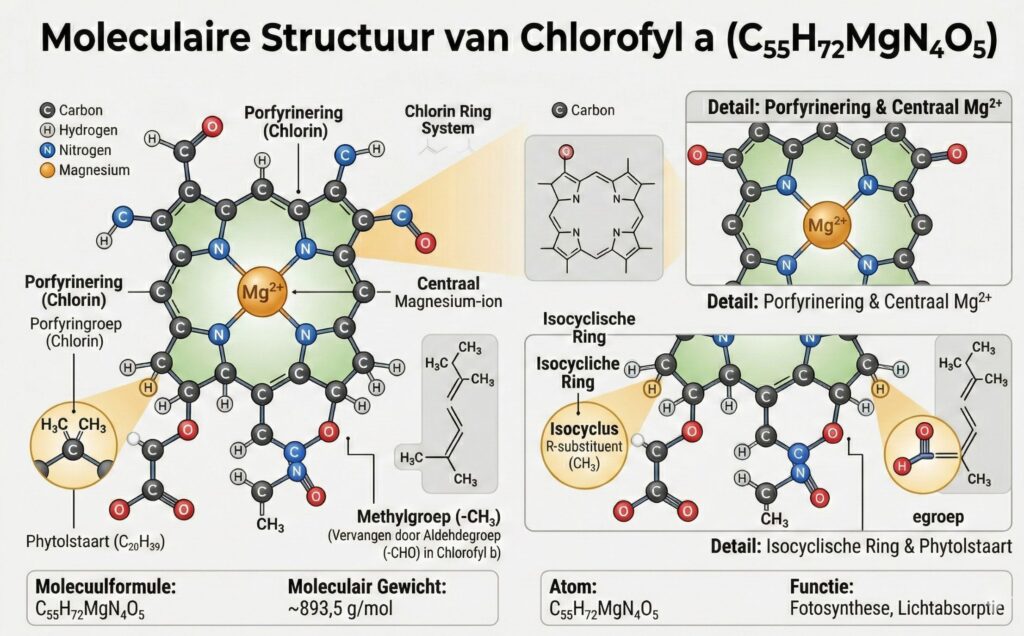
A hard rule applies to matcha: heat is harmful. Chlorophyll is sensitive to heat, and volatile flavor components disappear quickly with elevated temperature.
Grinding too hot can lead to:
Therefore, serious producers work with:
Grinding is not a mechanical operation alone, but a form of preservation.
The way matcha foams is closely related to particle size and distribution. A properly ground matcha, when whisked, forms a fine, homogeneous micro-foam.
When the distribution is too wide, it arises:
That has nothing to do with beating technique alone. The foundation is laid in grinding.
Once matcha is ground, the contact area with oxygen increases dramatically. This makes the product vulnerable. Oxidation leads to color loss, aroma deterioration and a sharper taste.
Therefore, timing is important:
Grinding and packaging are actually one process.
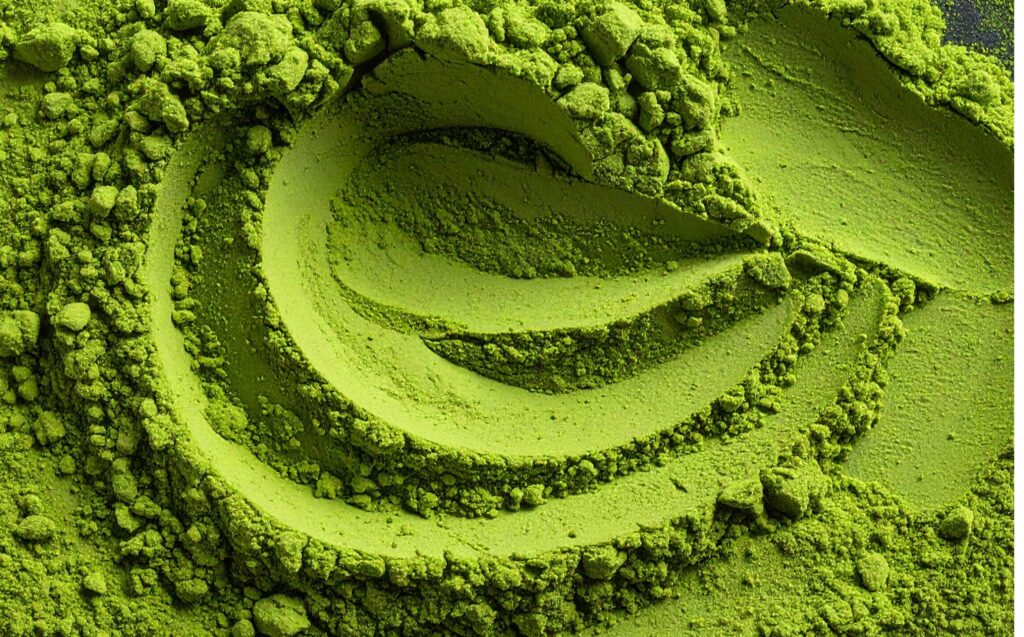
Two matchas can look visually similar and yet feel completely different on the palate. That difference is often in:
A velvety mouthfeel is rarely accidental. It is the result of consistent choices at this stage.
Grinding cannot fix a bad base. It:
Milling reinforces what is already there. Like shade cultivation, it works optimally only within a well-designed system.
Matcha grinding is a precision process. It is not speed or fineness that determines quality, but control over temperature, oxygen and particle distribution.
Anyone who understands how grinding works understands why some matchas are creamy and smooth, while others always remain skimpy. The difference is not in the beater, but in the grinder.
In the next article, we look at the final step: how this powder behaves in water, when brewing matcha.
This article is part of the Matcha dossier. The complete overview of all articles, from cultivation and processing to brewing and applications, can be found on the overview page: Matcha explained: from tea leaf to bowl.















Coffee and tea experts share seasonal recipes and practical ideas for restaurant menus. The workshops take place at a pick-your-own garden in Stoutenburg.

These classic madeleines from The Art of Baking by Hidde de Brabander combine a soft texture with a rich buttery taste.

In this article, we debunk 10 persistent fables and myths about coffee. From caffeine to Kaldi and from oil to dehydration. What is really true, and what is mostly a persistent misconception?


