

Laatst bijgewerkt op: 08/10/2026
From tea fields in Brabant to a coffee roastery in Utrecht: this month’s KTC news is all about what happens before your first sip. LOCA is bringing locally grown tea to the supermarket, and Dagger Coffee is raising funds for electric roasting. There’s also something new on the chocolate shelf: CLARO is introducing two organic bars. And Sody is aiming to carve out a spot alongside your daily coffee with fruit, bubbles, and caffeine.
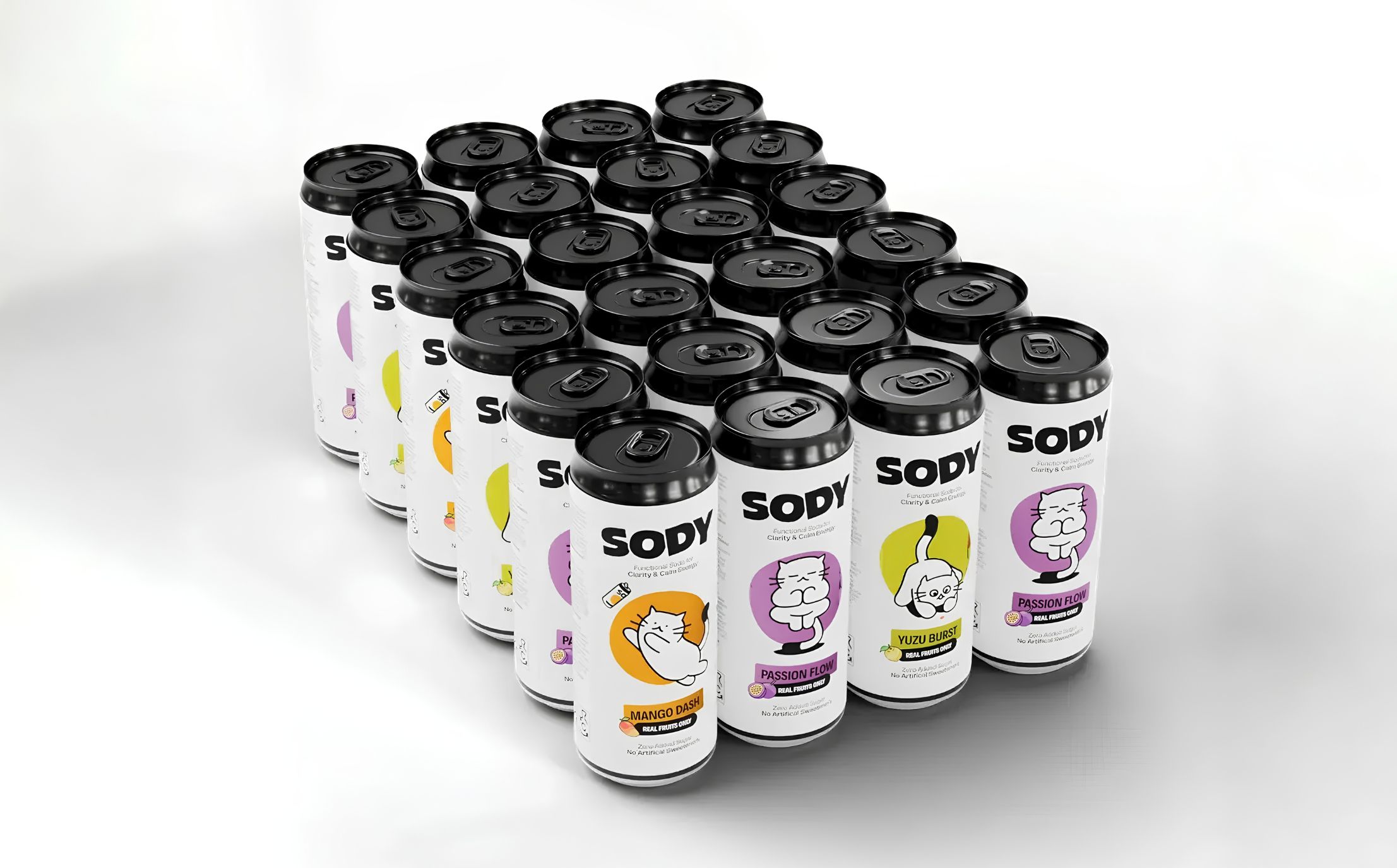
A fizzy alternative to your second cup of coffee: that’s how Sody describes its soft drinks. The brand combines fruit with plant-based caffeine, L-theanine, vitamins, fiber, and lion’s mane, a type of mushroom. A 330-milliliter can contains 100 milligrams of caffeine, 100 milligrams of L-theanine, and 500 milligrams of lion’s mane. It contains no added sugar or artificial sweeteners.
There are three varieties: Yuzu Burst, Passion Flow, and Mango Dash. In Yuzu Burst, the citrus fruit is paired with juniper. Sody calls the drink a “functional soda” and links the ingredients to focus and more consistent energy levels. In the online store, a case of 24 cans costs €68, and there’s also an assortment case for those who want to try all three flavors.
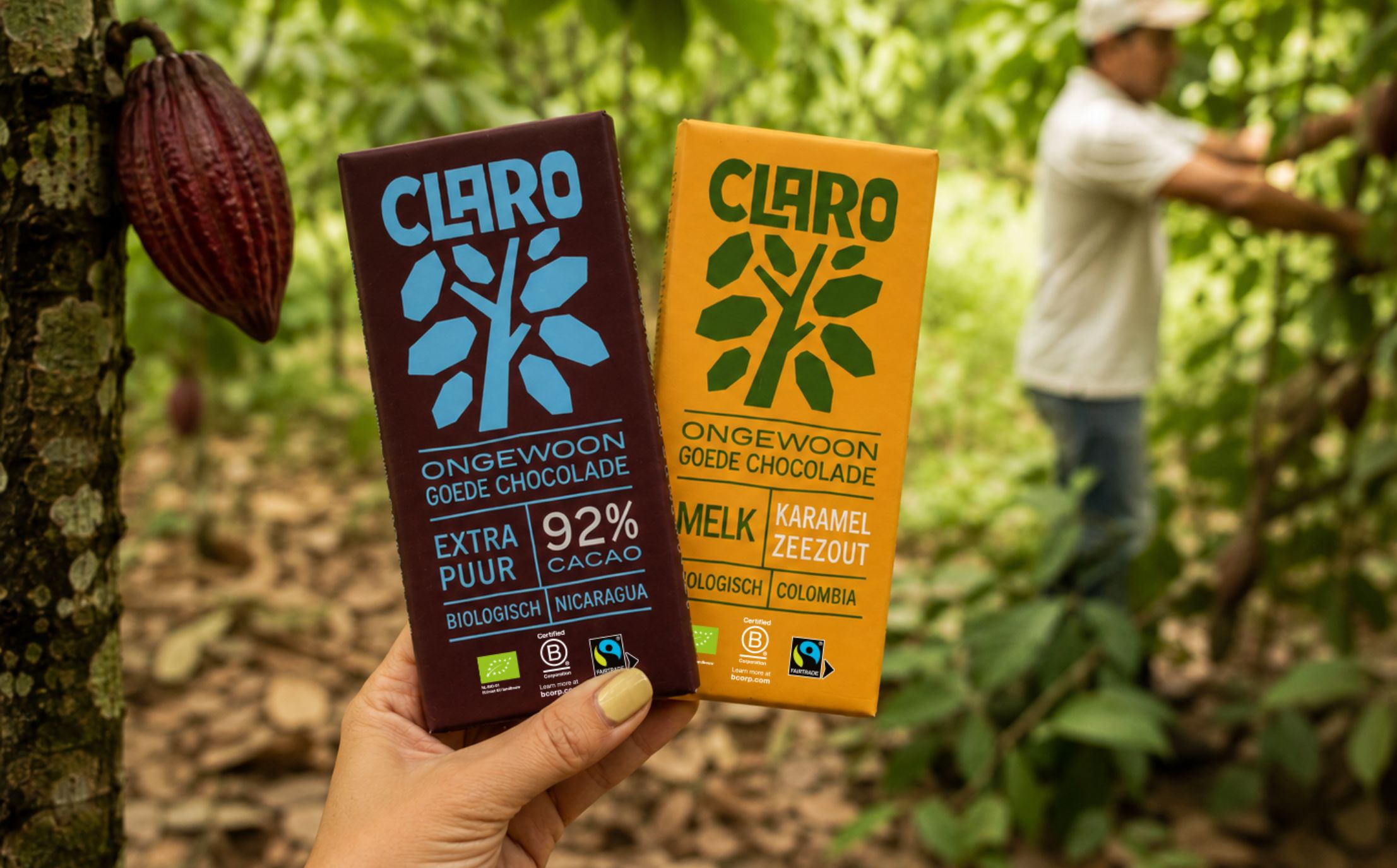
CLARO is expanding its organic chocolate lineup at Albert Heijn with 92% extra-dark and dark milk caramel sea salt varieties. For the extra-dark bar, the brand uses cocoa from Waslala in Nicaragua, sourced from a network of approximately 1,200 small-scale farmers.
The milk chocolate bar contains 47% cocoa from Arhuaco farmers in Colombia, with caramel made from organic cane sugar from Brazil and hand-harvested sea salt from Guérande, France. Both bars are made by Chocolatemakers in Amsterdam and have a suggested retail price of €3.99 each.
CLARO was launched in 2025 by Chocolatemakers to bring organic chocolate to a wider audience through supermarkets. The brand uses single-origin cacao from Latin America and manufactures the bars in its own factory in the Port of Amsterdam, which runs on solar power.
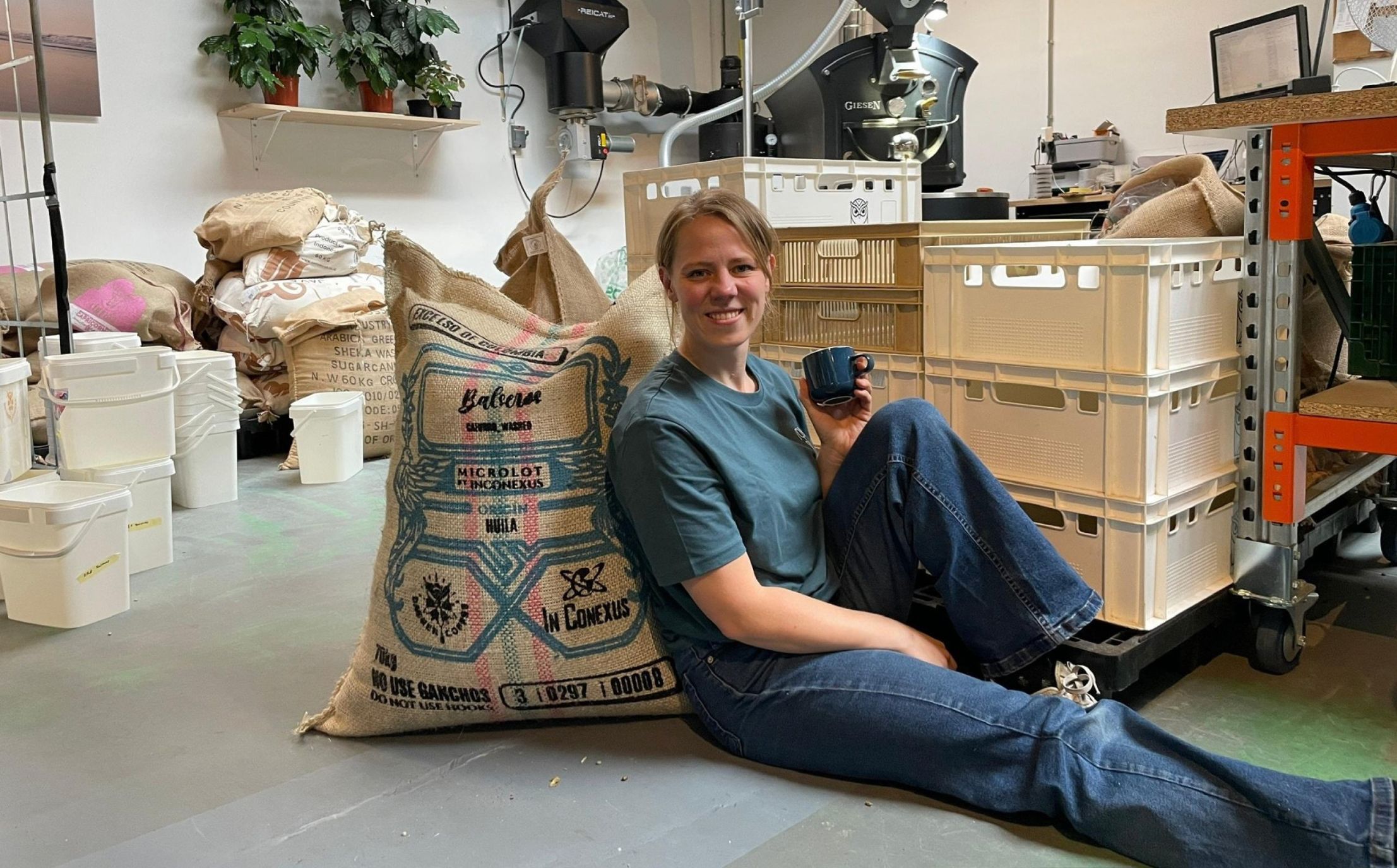
The Utrecht-based coffee roastery Dagger Coffee wants to switch from gas to electric coffee roasting. To that end, founder Dagmar Geerlings is launching a crowdfunding campaign with a target amount of €55,000. The funds will be used to purchase an electric coffee roaster and an auto-feeder, which automates some of the repetitive tasks involved in the roasting process.
The plans coincide with a move to Dagger’s own facility in Leidsche Rijn. Currently, Dagger operates out of a shared roasting space with off-site storage. The new location offers more room to grow and greater control over production. Automation is intended to free up time for roast profiles, quality control, and communication with coffee producers. When sourcing coffee, Dagger pays specific attention to transparent origin and the role of women in the coffee supply chain.
Check out Dagger Coffee’s crowdfunding campaign
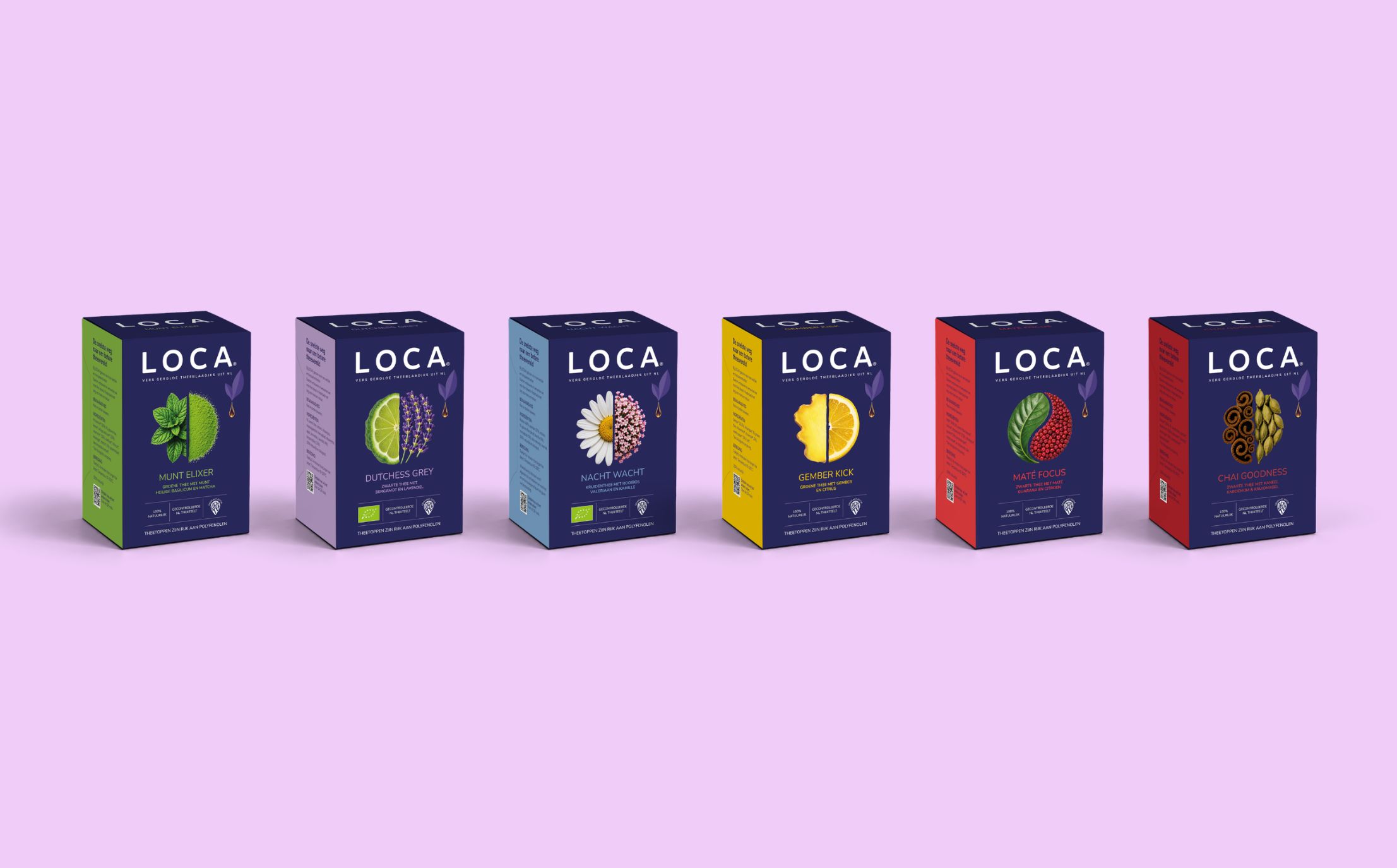
Tea grown in the Netherlands is gaining more shelf space in supermarkets. Since September 29, LOCA —LocalTea’s new tea brand—has been available at Albert Heijn. The tea is grown on the company’s own fields in Dongen and Zundert and is processed and packaged in the Netherlands.
LOCA primarily uses the buds and youngest leaves of the tea plant. These are rolled and dried shortly after harvest. No flavorings are added to the blends. At launch, two varieties are fully certified organic; the brand plans to expand that number. The greenhouses used by the company are unheated. People who face barriers to employment also work at the production sites.
A box of 18 tea bags costs €3.89. Hospitality and business customers can continue to place orders under the name LocalTea.











Yerevan is best known for its rich history, but is developing into a surprising destination for specialty coffee. On this city trip to the Armenian capital, you’ll discover hidden roasteries, modern coffee bars, and a traditional tea house.
From higher Fairtrade prices and coffee beans for home use to an exhibition on coffee and colonial history: here's what's happening in September.

In Amsterdam's Pijp neighborhood, Duikelman proves that expertise, service, and inventory still make all the difference.


