


Laatst bijgewerkt op: 19/04/2026
High prices, empty shelves and growing uncertainty in the market; the future of coffee is under pressure. Prices are rising, some supermarkets have temporarily had gaps on their shelves, and coffee farmers worldwide are seeing their harvests decline. At the same time, demand continues to grow. In the Netherlands, we drink over 30 million cups a day, whilst global consumption is rising every year. The question is, however, whether production can keep pace.
The main cause is climate change. Heavy rain, prolonged droughts and sudden heatwaves are increasingly leading to crop failures. The amount of suitable farmland is also declining. For many farmers, this means uncertainty about their income and sometimes even the loss of their business. The result is that coffee is becoming scarcer and its quality is under pressure. This affects not only farmers and traders, but also coffee lovers worldwide.
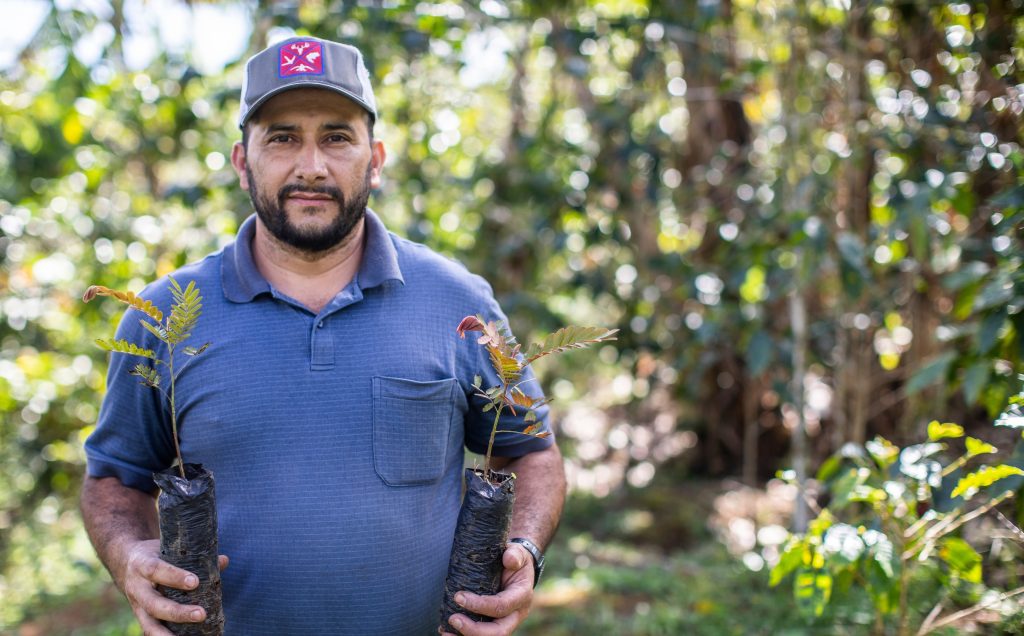
Solidaridad is an international organisation working to promote sustainable agriculture and fair trade chains. In Asia, Africa and Latin America, the organisation supports coffee farmers in producing more sustainably and becoming economically stronger. It all starts with knowledge. Farmers receive training in soil management, the use of shade trees, more efficient water management and techniques to better adapt to extreme weather conditions. This climate-smart agriculture helps protect the harvest and ensures better quality and more stable yields.
According to Melanie Mokken, a coffee expert at Solidaridad, it’s all about the entire supply chain. Solidaridad trains farmers to grow crops in a more climate-resilient way so that their incomes rise and coffee production remains secure in the long term. She emphasises that a fair price is essential, as many small-scale farmers barely benefit from rising retail prices. That is why the organisation is calling on companies to take responsibility and invest in a living income for coffee farmers.
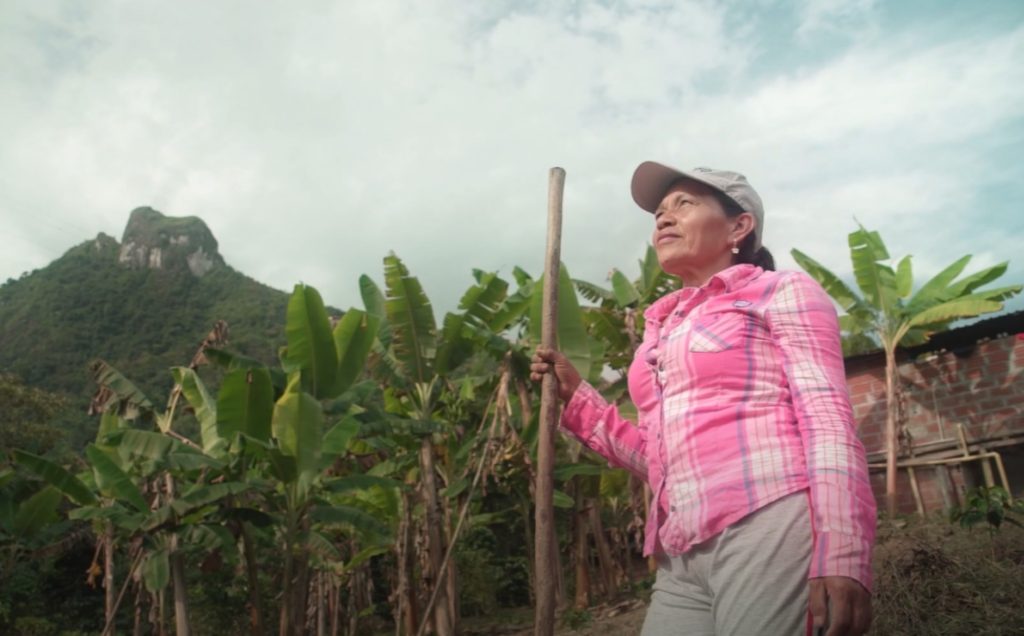
For Maria Rosa Betancourt from Colombia, that support came just in time. Coffee has been grown on her family’s plantation for generations, but the effects of climate change were becoming increasingly apparent. Heat and drought led to lower yields, and the coffee plants were struggling to recover.
With the help of Solidaridad, she introduced shade trees on her plantation. These trees protect the coffee bushes from extreme heat, improve the soil, retain water and sometimes bear fruit, providing an additional source of income. They also store CO₂, enabling farmers to generate carbon credits. For Maria Rosa, this meant greater stability for the next twenty years. The trees protect the crops, improve the revenue model and contribute to a better climate.
This is precisely the strength of Solidaridad’s approach. Thanks to targeted support, farmers who are vulnerable to climate change can become climate heroes who shape their own future.
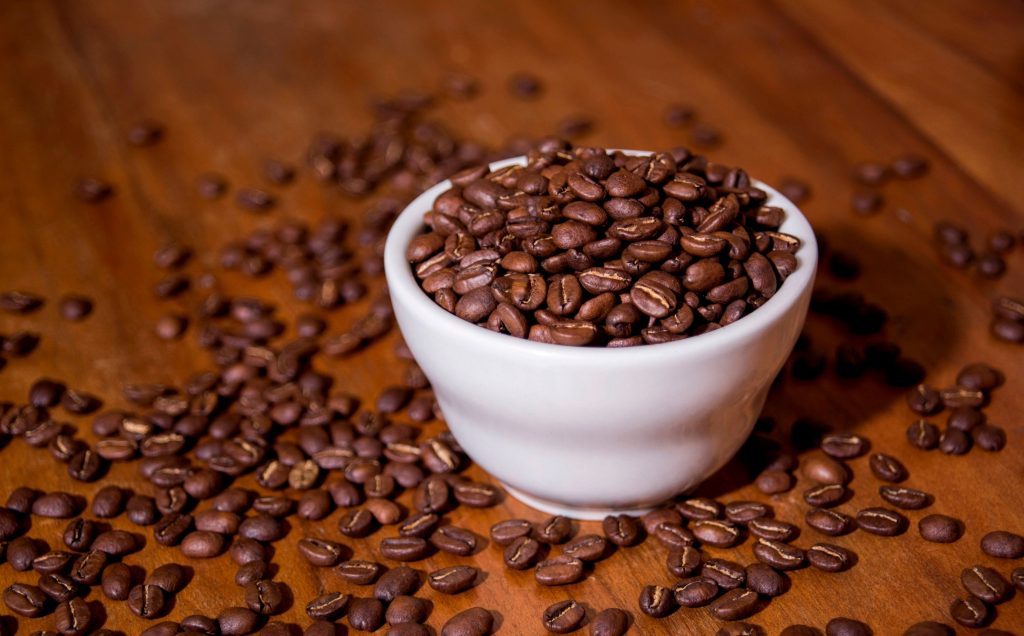
A sustainable future for coffee requires the commitment of everyone who works with or enjoys coffee.
For consumers:
For businesses:
By following these steps, coffee remains available, quality is maintained, and farmers receive a fairer income.
For many people, a world without coffee is unthinkable. Yet maintaining a healthy coffee supply chain requires a joint effort from farmers, businesses and consumers. Would you like to find out how your choices contribute to a future-proof coffee industry? Take Solidaridad’s coffee quiz and test your knowledge of sustainability, climate change and the coffee supply chain.
By making conscious choices and learning more about the origins of coffee, we can work together to ensure that this much-loved drink remains available for future generations.For many people, a world without coffee is unthinkable. Yet maintaining a healthy coffee supply chain requires a joint effort from farmers, businesses and consumers. Would you like to find out how your choices contribute to a future-proof coffee industry? Take Solidaridad’s coffee quiz and test your knowledge of sustainability, climate change and the coffee supply chain.
By making conscious choices and learning more about the origins of coffee, we can work together to ensure that this much-loved drink remains available for future generations.









In Amsterdam's Pijp neighborhood, Duikelman proves that expertise, service, and inventory still make all the difference.

Arabica, Robusta, Bourbon, Gesha, or SL28: the plant names on a coffee bag reveal something about the variety, flavor, and origin.

Is a lot of foam a sign of good matcha? Not necessarily.


