

Laatst bijgewerkt op: 16/09/2026
September brings together three very different aspects of coffee. Fairtrade is raising the minimum prices for Arabica and Robusta; Sage is bringing the coffee platform Beanz.com to the Netherlands; and the Princessehof Ceramics Museum is highlighting the history of Dutch coffee through ceramics. Together, these stories—ranging from the plight of coffee farmers to the convenience enjoyed by home coffee drinkers—trace the colonial past behind our daily cup of coffee.
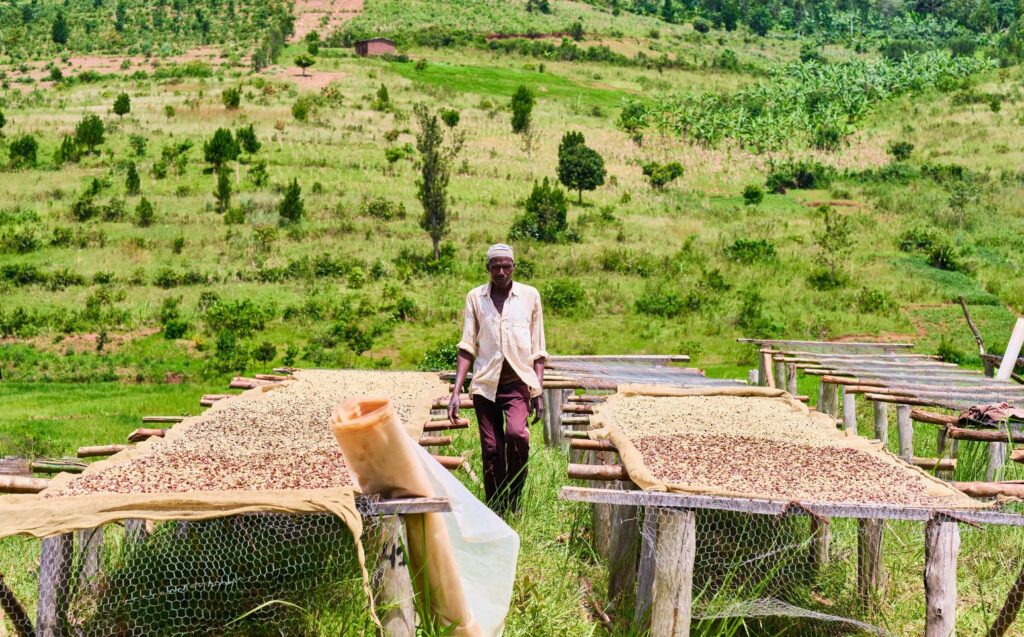
Fairtrade will increase the minimum prices for coffee effective December 1, 2026. The price for washed Arabica will rise by 11 percent, from 1.80 to 2.00 U.S. dollars per pound. For natural Arabica, the price will increase from 1.75 to 1.95 dollars. The minimum prices for washed and natural Robusta will both increase by 10 cents, to $1.35 and $1.30 per pound, respectively.
The minimum price serves as a safety net for nearly 900,000 coffee farmers. If the world market price is higher, cooperatives receive the market price. If it falls below the established floor, at least the Fairtrade Minimum Price applies. Between 2020 and 2024, that minimum price was above the world market price about one-third of the time.
The revision was preceded by a study of 57 cooperatives in 13 countries. In addition, more than 600 farmers, cooperatives, traders, and other stakeholders were consulted. The increase is intended to provide greater certainty as production costs rise and harvests become less predictable due to extreme weather.
Learn more about Fairtrade’s new minimum prices.
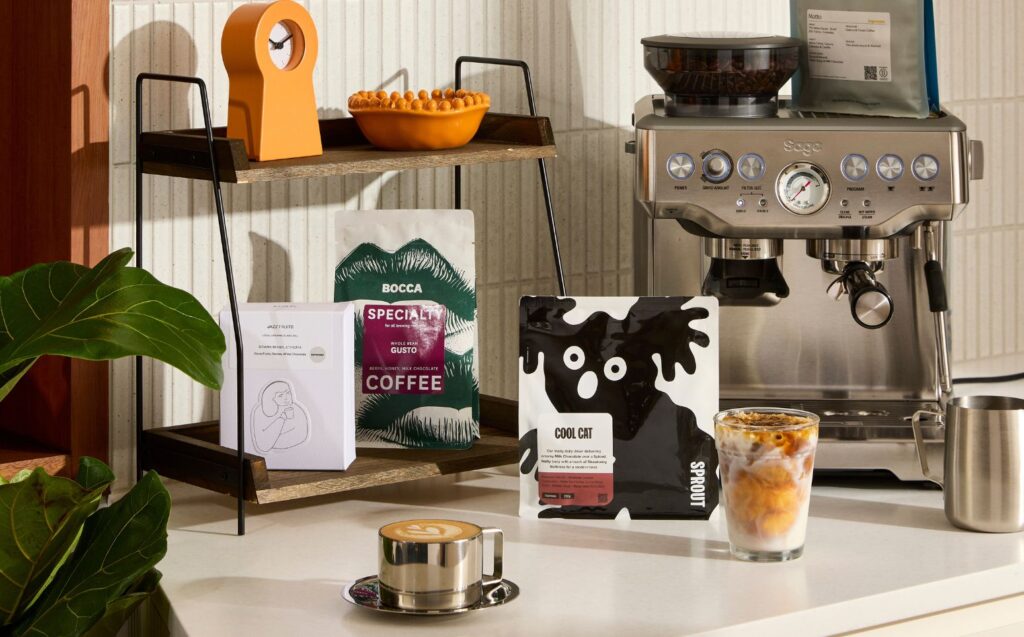
Sage Appliances has launched Beanz.com in the Netherlands. Through the platform, coffee lovers can order freshly roasted beans from independent specialty coffee roasters in the Netherlands and Germany. Orders can be placed as one-time purchases or through a subscription.
If you’d like help choosing, you can take the Coffee Quiz. Questions about taste preferences, brewing methods, and whether you prefer your coffee with or without milk will lead to a selection of beans that suit your tastes. There’s also Barista’s Choice, where the Beanz.com team selects the coffee for you.
With a subscription, users choose their own coffee, package size, and delivery frequency. Deliveries can be adjusted or skipped online, and the subscription can be paused or canceled. The roasters set their own prices for their coffee. With this platform, Sage is more explicitly linking its coffee machines to the choice of fresh beans, and the brand aims to make a wider selection of European roasters accessible to Dutch home baristas.
Check out the selection and participating restaurants on Beanz.com.
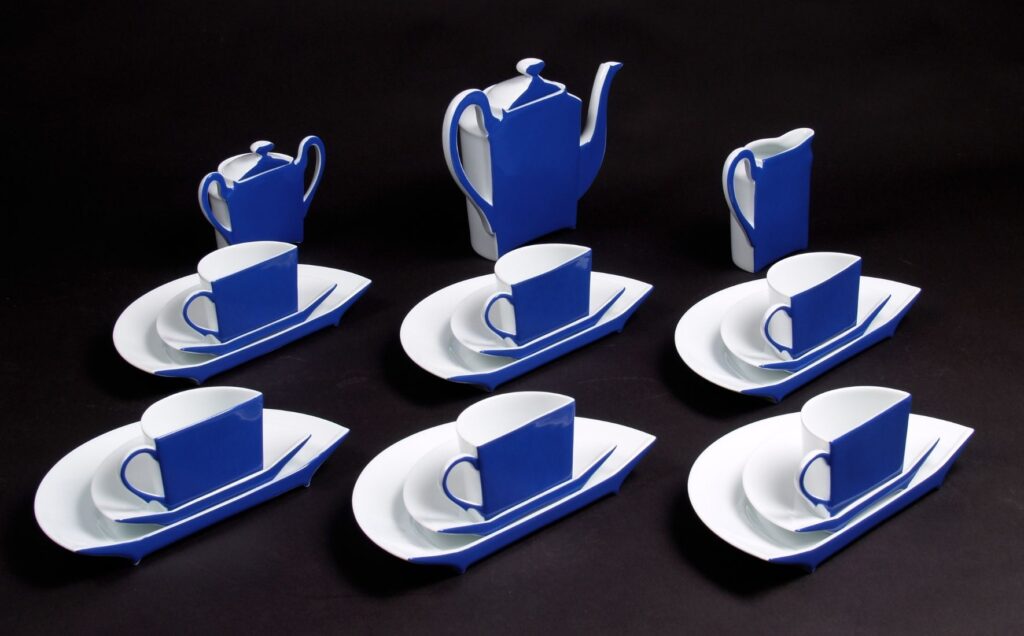
The Princessehof Ceramics Museum in Leeuwarden will open the exhibition “Coffee? A Dutch History in Ceramics” on October 10, 2026. Through coffee pots, spouted jugs, mugs, and tableware sets, the exhibition traces the history of coffee in the Netherlands through August 29, 2027.
The Princessehof is collaborating with the National Slavery Museum on this project. As a result, the colonial aspect of coffee is also given attention: plantation labor, slavery, shipwreck finds, tableware belonging to plantation owners, and imagery on packaging and in advertisements. On display are objects from Europe, Asia, the Caribbean, the Arab world, and the African continent, among other places. In this way, ceramics also serve as a gateway to the stories behind our daily cup of coffee.
For more information, visit the Princessehof Ceramics Museum












Coffee and tea experts share seasonal recipes and practical ideas for restaurant menus. The workshops take place at a pick-your-own garden in Stoutenburg.

These classic madeleines from The Art of Baking by Hidde de Brabander combine a soft texture with a rich buttery taste.

In this article, we debunk 10 persistent fables and myths about coffee. From caffeine to Kaldi and from oil to dehydration. What is really true, and what is mostly a persistent misconception?


