


Gepubliceerd op: 13/06/2024
In northern Peru, near the border with Ecuador, lies the city of Piura. That name might not ring a bell right away, but the region is home to a special variety of cacao: white Criollo cacao. What makes Criollo cacao so special? And what does the Piura variety taste like?
Near the northern Peruvian city of Piura lies one of the country’s largest organic white cacao plantations. The farmers here do everything they can to protect its cacao production. That’s why not a single tree on the plantations is touched. In fact, there’s almost no way to even get there.
Yet, until recently, white cacao was not valued. The cacao pods containing white beans were considered defective and immediately discarded.
That changed when European chocolatiers visited the white cacao plantations. There, they discovered new, delicate, and less bitter aromas and flavors. Slowly but surely, white cacao earned the reputation as the world’s best cacao.
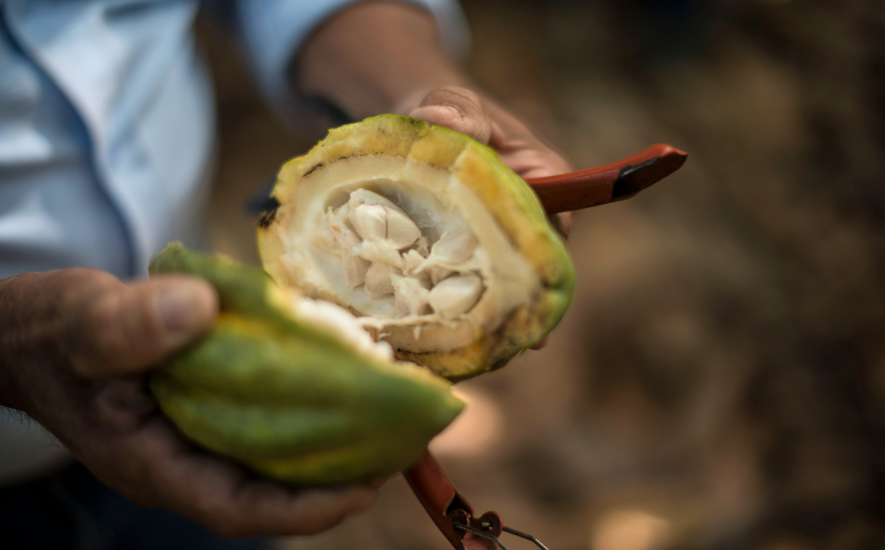
The Piura variety of white cacao is just one of the many types of cacao found worldwide. Although there are an incredible number of different cacao varieties, they can be divided into three main types. Each has its own unique characteristics, flavor profile, and subvarieties.
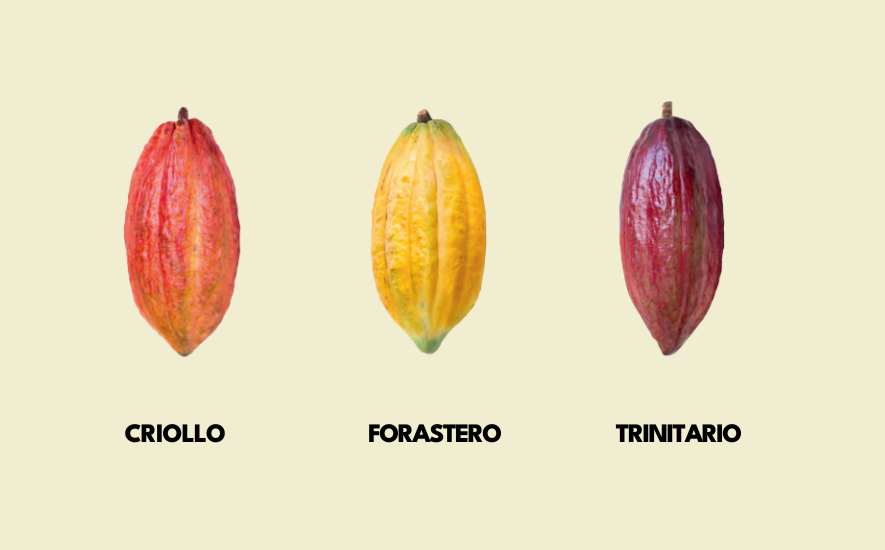
White cacao, also known as Criollo cacao, has four names, depending on where the cacao comes from. All four have different nuances and flavors. For example, the variety from Piura has notes of citrus and fruit with hints of nuts. It is less bitter and less acidic than other white cacaos. It also contains anthocyanins, a water-soluble pigment responsible for the purple color of the beans.
The region’s tropical climate gives the Piura variety its delicate and smooth flavor. Partly because of this, this cacao was featured at the Salon du Chocolat et du Cacao in Paris as one of the world’s 50 best cacao beans.
The raw chocolate phenomenon is part of the raw food movement. But what is it? And is it safe to eat? Read here here.







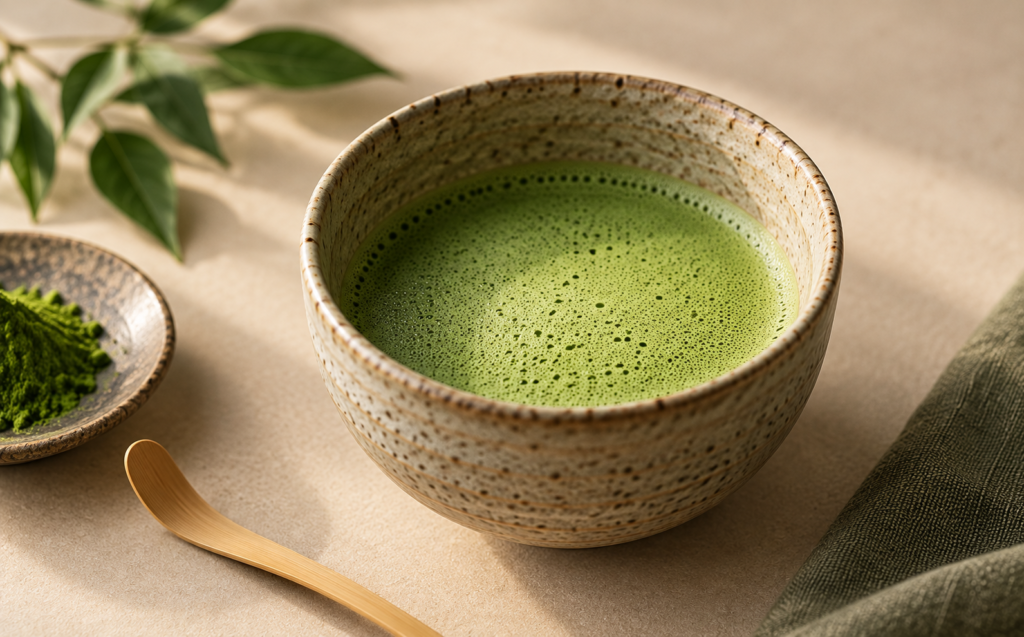


This bright green tea powder comes from a remote mountain community in China and is perfect for tea and (iced) matcha lattes.

Coffee and tea experts share seasonal recipes and practical ideas for restaurant menus. The workshops take place at a pick-your-own garden in Stoutenburg.

These classic madeleines from The Art of Baking by Hidde de Brabander combine a soft texture with a rich buttery taste.


