

Laatst bijgewerkt op: 17/06/2026
For centuries, it was believed that the cultivation of cacao originated in Central America. The Olmecs, Maya, and Aztecs had been using the bean in rituals and beverages for thousands of years. However, genetic research has made it clear for several years now that cacao originated in the Upper Amazon, in the border region of present-day Peru and Ecuador. New excavations in Peru are now providing additional archaeological evidence that this earliest domestication did indeed take place in this region. Near Jaén, in the transition zone between the Andes and the Amazon, remains of cacao have been found that are approximately 1,300 years older than the known Central American finds.
In the Marañón River valley, archaeologist Quirino Olivera has been investigating the monumental site of Huaca Montegrande since 2010. His team discovered a spiral-shaped temple there that is nearly nine meters high, with the oldest layers dating to around 6100 B.C. The temple may even be older. DNA from cacao was found in pottery shards from these layers, dated to around 5400 BCE. This directly aligns with genetic studies that previously showed that the greatest diversity of cacao varieties is found in northern Peru and southern Ecuador, pointing to the origin of cultivated cacao in this region.
Traces of cacao use dating from around the same period have also been found in Santa Ana La Florida, just across the border in Ecuador. The findings are attributed to the Mayo Chincipe culture and confirm that the early communities in this Upper Amazon region were interconnected. “The cultures on both sides of the Andes were in contact with one another,” says Olivera. “They shared trade routes, as well as knowledge about plants and rituals.” The combination of genetic and archaeological evidence makes it increasingly clear that the domestication of cacao spread from this region to Central America.
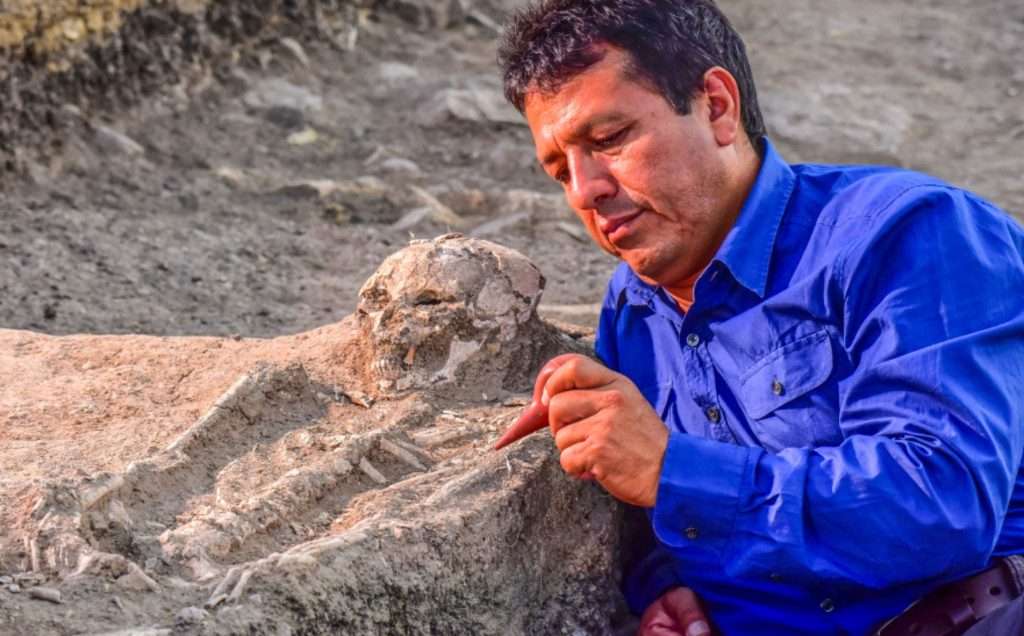
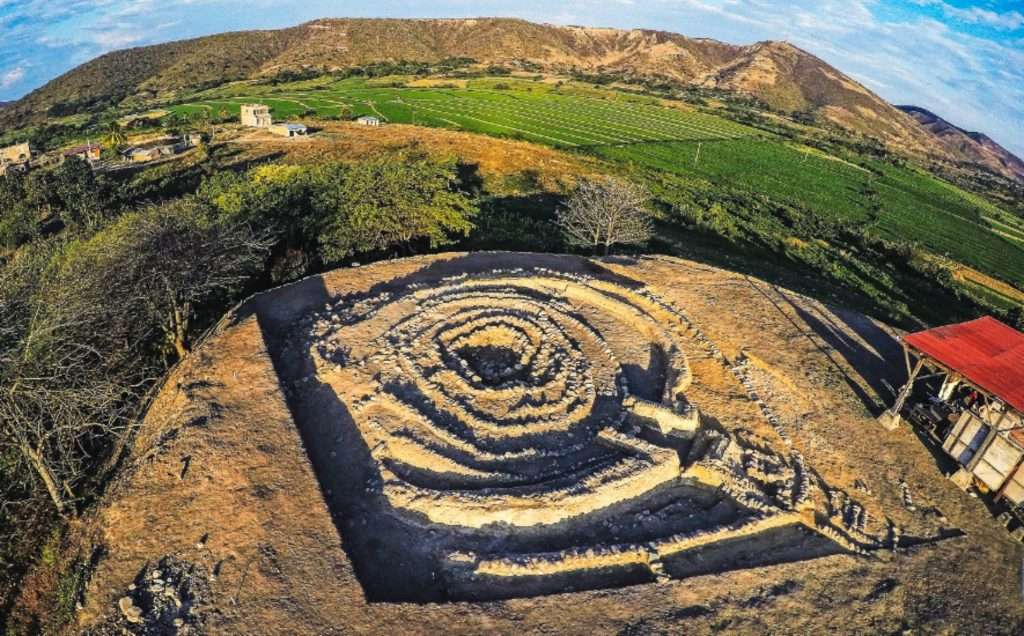
Olivera: “The cultures on both sides of the Andes were in contact with one another”
The remains found at Montegrande belong to a rare white cacao variety known as Cajamarca-Amazonas. This variety is genetically related to both the Peruvian Blanco de Piura and the Nacional cacao from Ecuador. The beans are lighter in color and less bitter than common cocoa types. According to Olivera, this may be one of the earliest domesticated forms of cocoa in the Upper Amazon region. His hypothesis fits within the broader genetic picture, in which this region has long been regarded as the center of origin. He suspects that cacao subsequently spread from the jungle to the coast, where later cultures such as the Moche and Lambayeque depicted cacao on ceramics and textiles.
These days, white cacao is extremely rare, accounting for only a small portion of global production, but it is prized by chocolate makers for its delicate flavor profile.
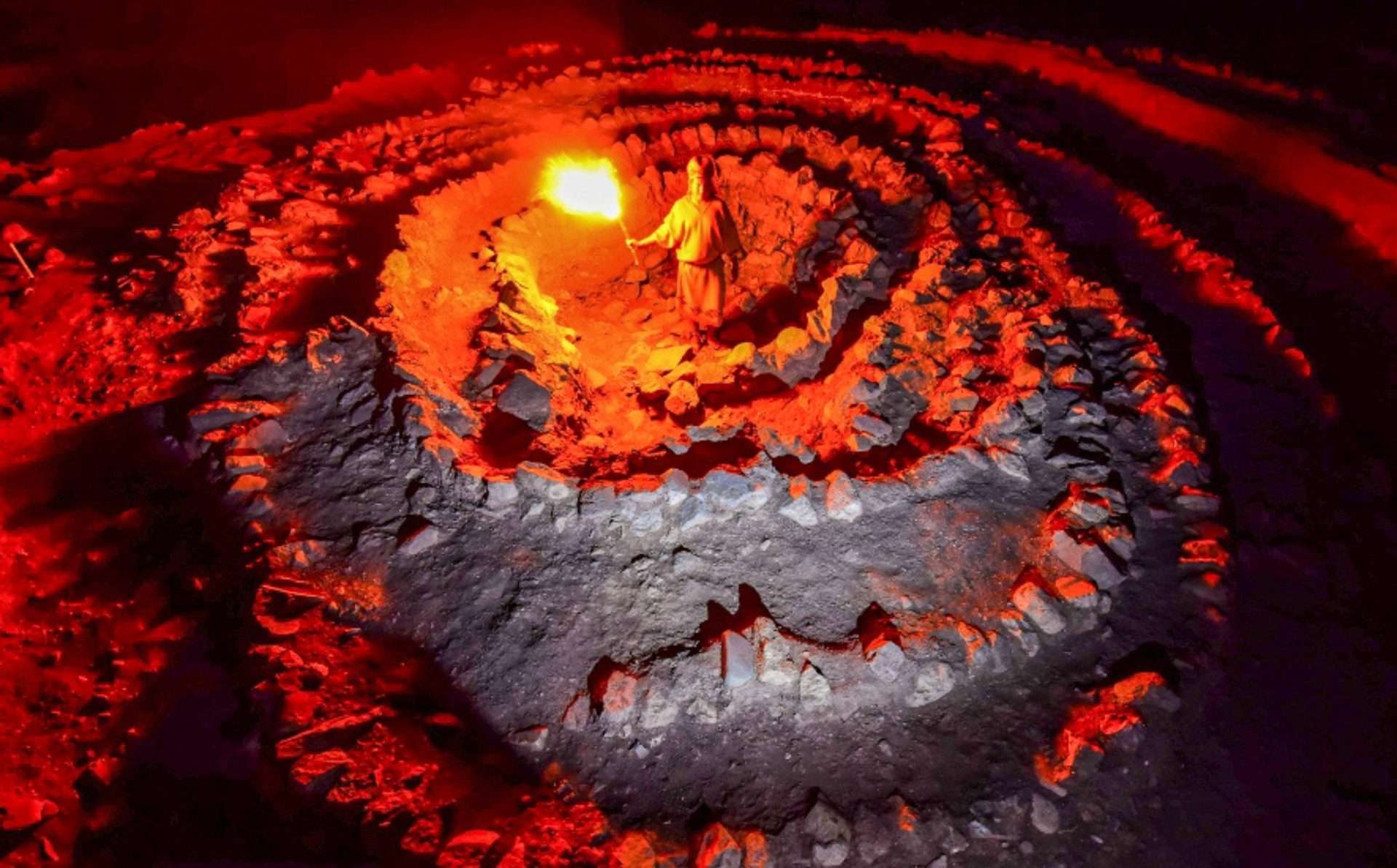
According to Olivera, the early inhabitants of the Marañón Valley may have used cacao not only as food, but also during rituals or ceremonial activities. The plant may have served as a link between the visible and invisible worlds. “We believe that cacao played a ceremonial role,” he says. “It may have been combined with other plants to create a mind-expanding experience.” Although this has not yet been scientifically proven, it aligns with broader traditions in the Amazon region in which plants were viewed as carriers of knowledge and spiritual power.
Remarkably, this religious function later disappeared almost entirely. Even among the Incas, there is little evidence of the spiritual use of cacao. Olivera believes this is related to changing belief systems: as religious concepts evolve, the symbols that were once sacred often disappear as well.
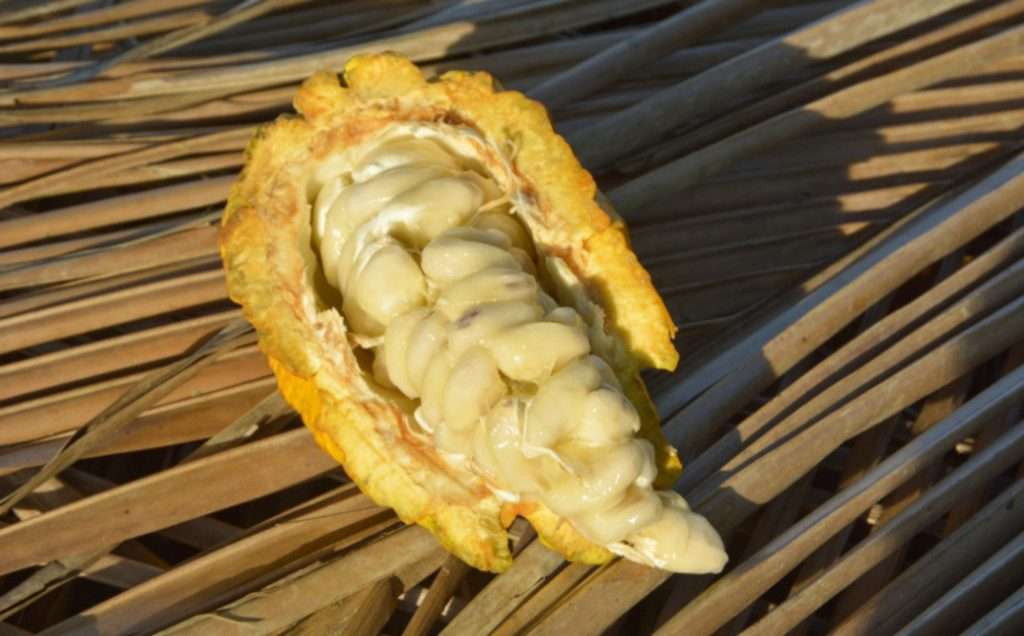
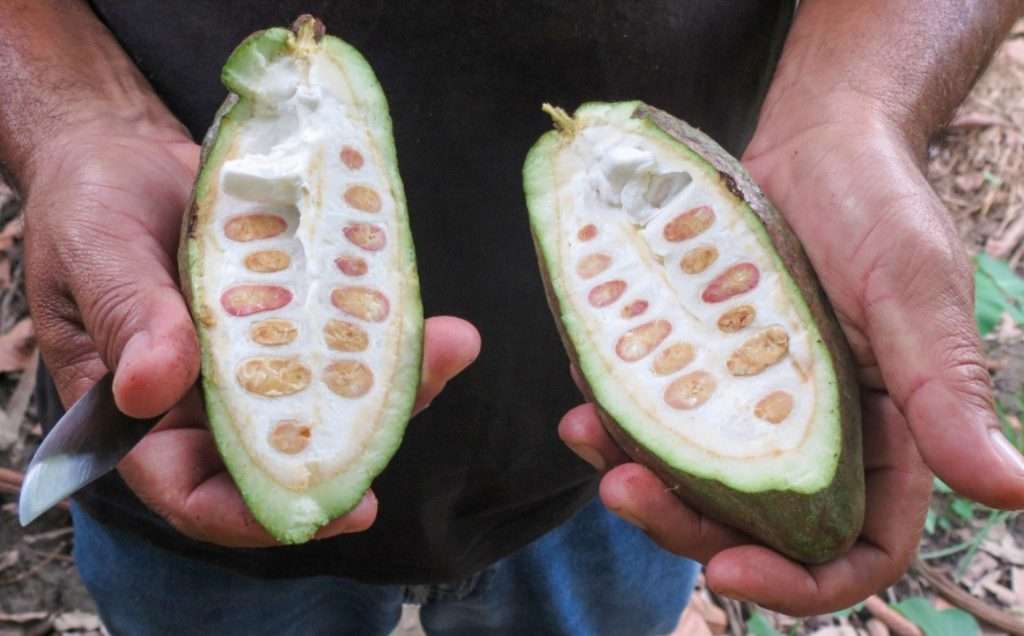
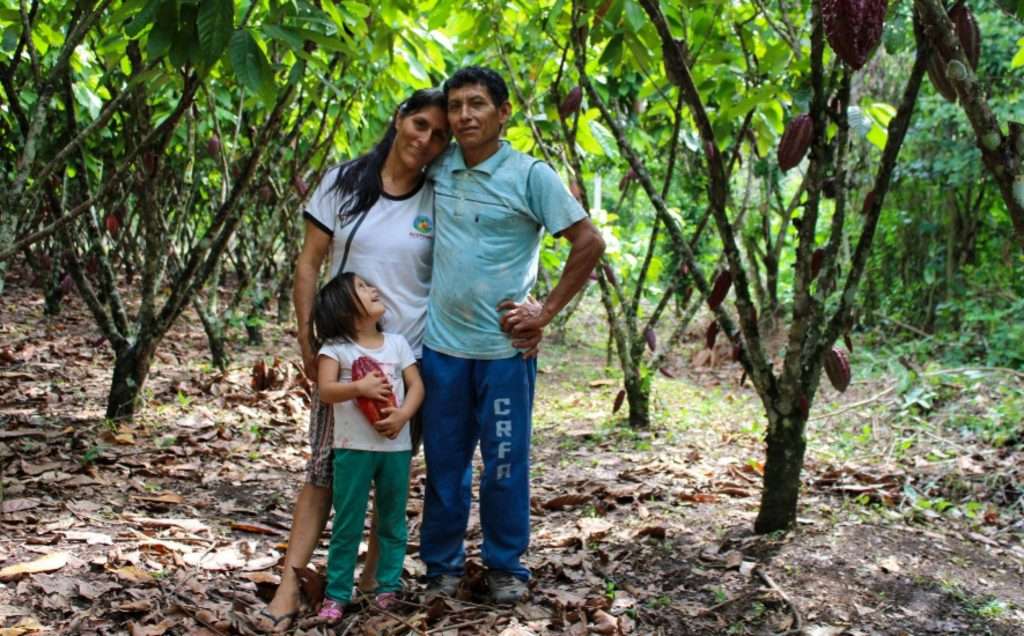
The rediscovery of the white Cajamarca-Amazonas cacao offers not only new insights for archaeologists, but also economic opportunities for farmers in the region.
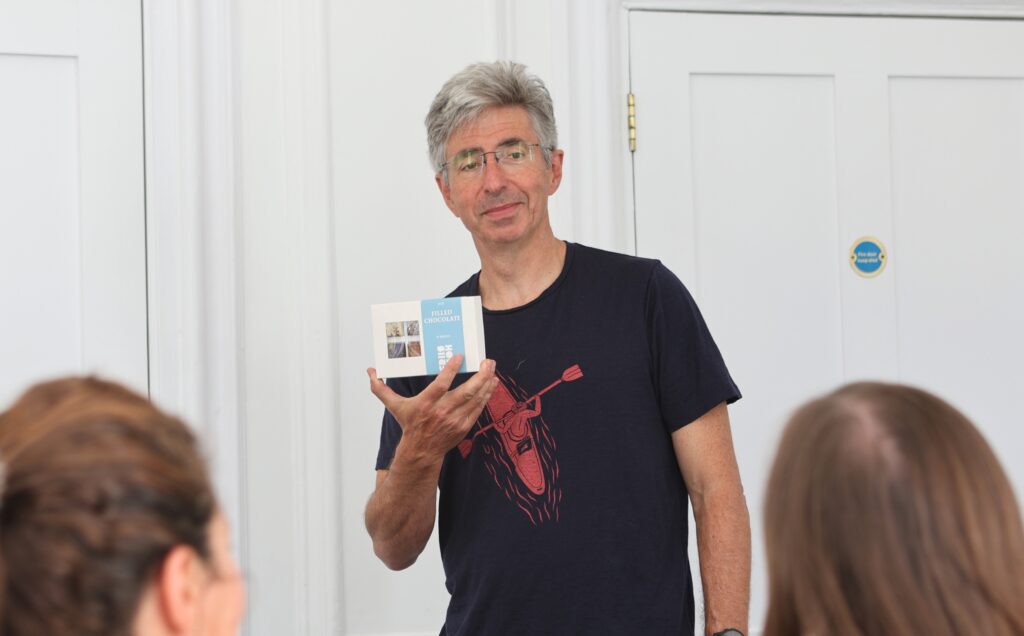
White Cajamarca-Amazonas cacao is slowly making a comeback. Olivera had bars made from this variety and presented them earlier this year at Chocoa in Amsterdam. Tasters praised the refined aromas and velvety texture of the 70 percent bars. Some visitors noticed a subtle effect when tasting 100 percent cacao, a possible reference to the plant’s ancient ceremonial significance.
The rediscovery of this white variety not only offers new insights for archaeologists, but also economic opportunities for farmers in the region. By collaborating with local producers, the team led by Montegrande is working to revive its cultivation and create a fair market for this rare cacao.
In this way, cacao is once again becoming a source of sustenance, community, and identity. And as research continues, it is becoming increasingly clear that cacao originated in the Upper Amazon region, where early inhabitants began cultivating the plant thousands of years ago—a plant that eventually became the basis for the chocolate we know today.












Arabica, Robusta, Bourbon, Gesha, or SL28: the plant names on a coffee bag reveal something about the variety, flavor, and origin.

Is a lot of foam a sign of good matcha? Not necessarily.

This bright green tea powder comes from a remote mountain community in China and is perfect for tea and (iced) matcha lattes.


