


Laatst bijgewerkt op: 13/10/2026
The plant-based milk section at the supermarket keeps growing, and there are now countless alternatives to cow’s milk. It’s time to take a closer look at what’s available. From oats to yellow peas: what kinds of plant-based milks are there, and which ones are best for making a delicious cappuccino, latte, or flat white?
Whereas ten years ago soy milk was the most well-known dairy substitute, today people are also choosing cashew milk, coconut milk, and pea milk as plant-based alternatives for their coffee. You name it—you can pretty much turn anything into a drink. Even the potato has recently entered the scene and, according to some, deserves more attention—especially because of its sustainable nature.
This plant-based milk, made from dried soybeans and water, has been significantly refined over the years to achieve the best results when paired with coffee. The beverage is now known for its slightly nutty flavor and creamy texture. Thanks to its high protein content and unsaturated fats, soy milk is a nutritious alternative to cow’s milk. Plus, it’s fairly easy to froth. Just make sure the milk doesn’t get hotter than 65 degrees. If you’re frothing it by hand, be careful not to “stretch” it too much (incorporating too much air into the milk), because this will quickly make the drink too thick with lots of bubbles, which makes creating latte art more difficult.
In 2011, Alpro was one of the first companies in Europe to introduce a special barista soy beverage. Not long after, Alpro followed up with coconut and almond varieties for professionals. Former Dutch barista champion and Alprobrand ambassador Merijn Gijsbers says: “Coffee has a distinct flavor, and so do some plant-based ingredients. To create a harmonious flavor, you usually need a little extra sweetness. Cow’s milk and oats usually contain these sugars naturally, but with a product like soy, adding a sweetener can help it blend better with coffee.”
Barista-quality milk foam: Of all plant-based beverages, soy is the easiest to froth. That’s because this variety has the highest protein content and fat percentage.
Almond milk is a popular plant-based milk made from—what else?—almonds and water. Sometimes sunflower oil, vitamins, and sugar are added. A splash of almond milk in your coffee adds a nutty flavor. However, almond milk isn’t ideal for frothing because it contains relatively little protein. Want to give it a try anyway? Pour the milk into your coffee immediately (within a few seconds) after frothing it. This prevents the fats and proteins in the milk from separating from the air, giving you a creamier, better result—and maybe even a nice heart in your coffee.
Barista-quality milk foam: With regular almond milk, you won’t be able to create a thick layer of milk foam—just a few air bubbles. A barista-grade option like Alpro’s Barista Almond solves this problem for you.


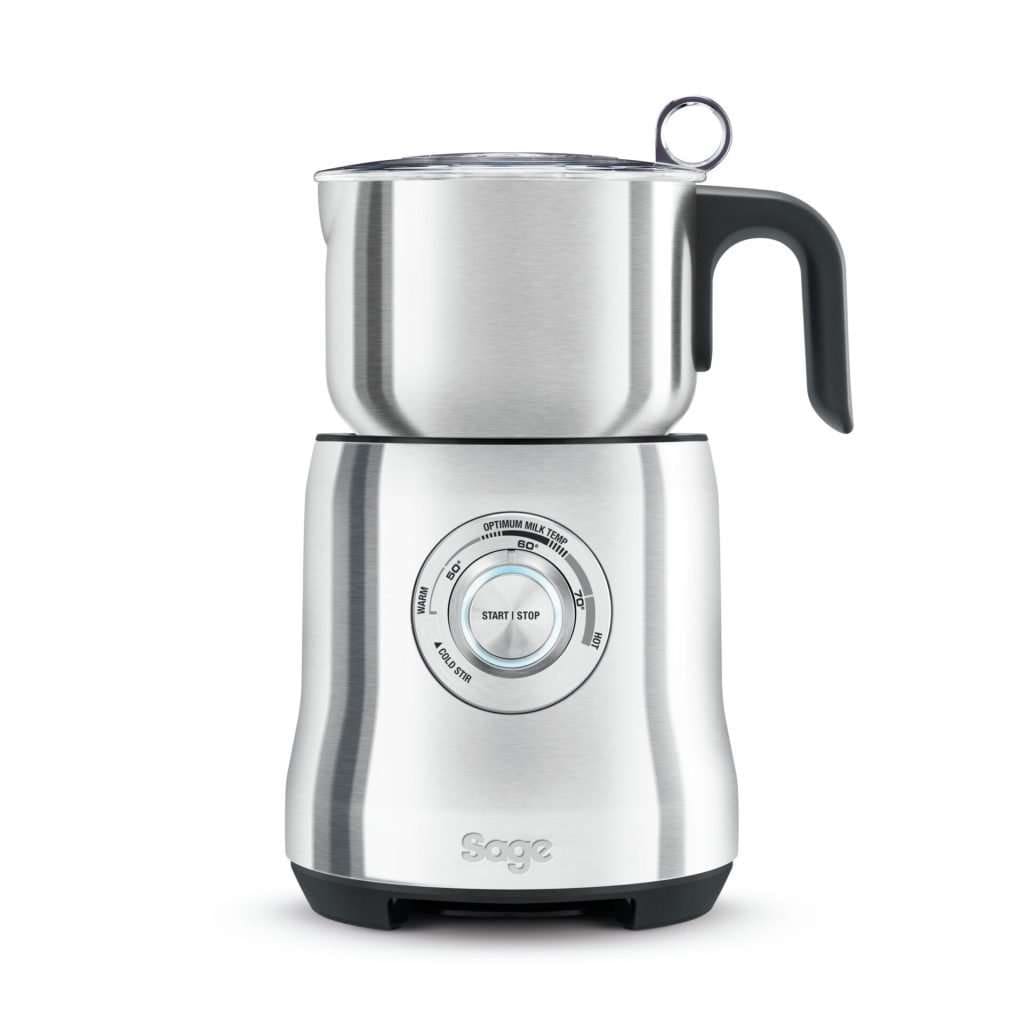
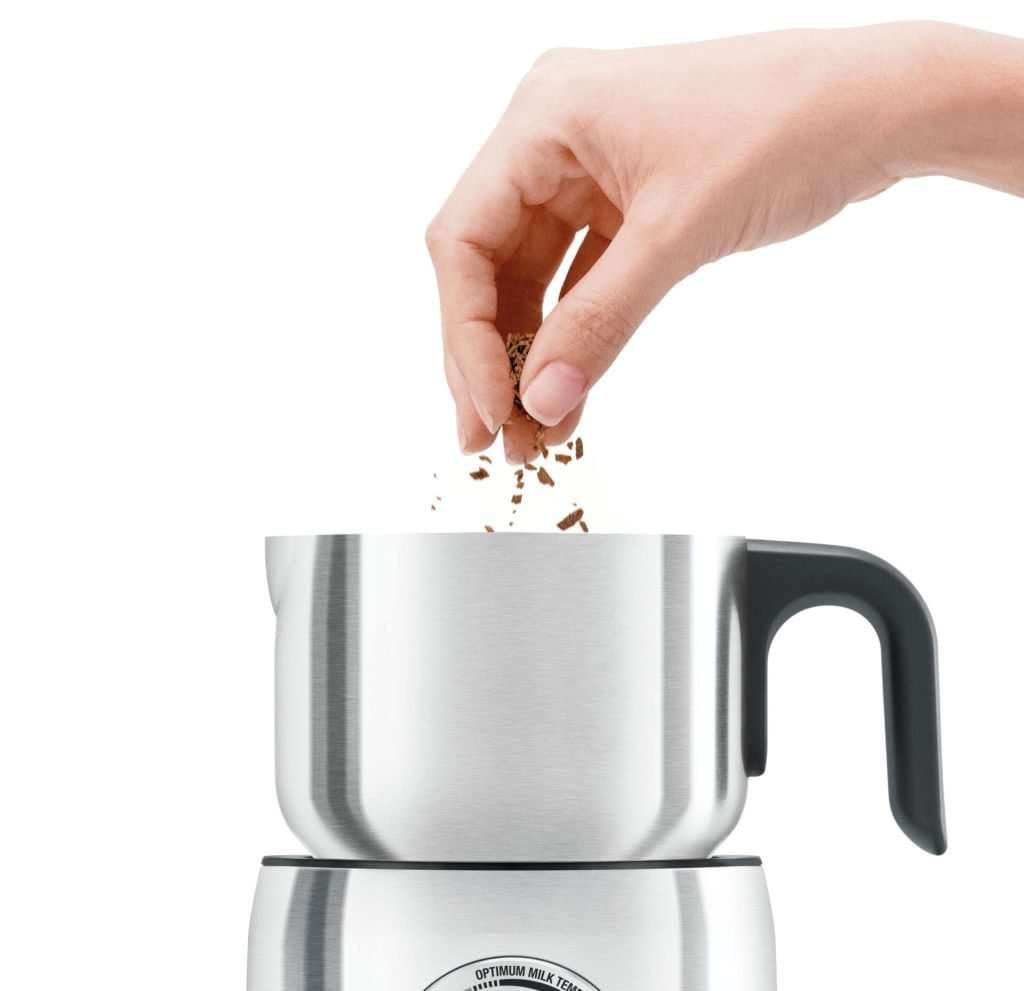

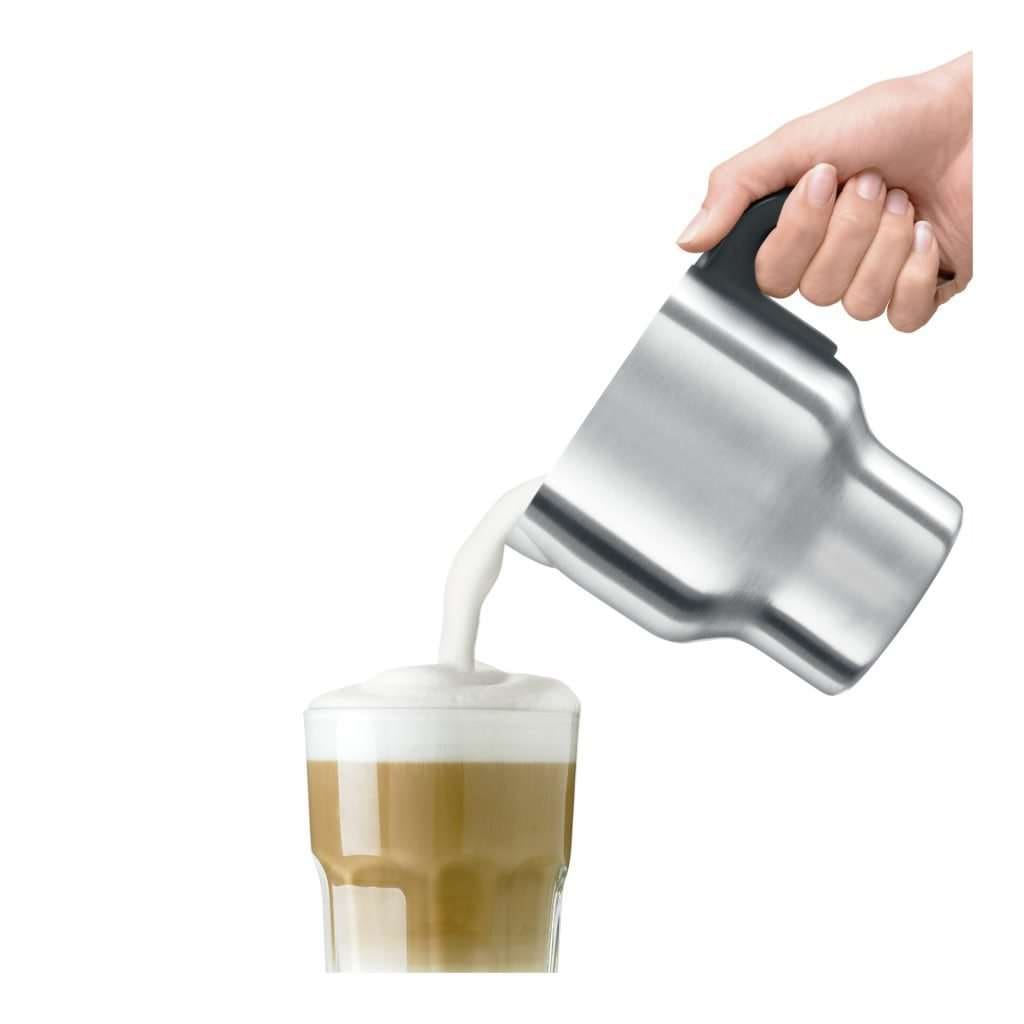
Wil je thuis net zulke lekkere cappuccino’s, latte macchiato’s of andere warme melkdranken maken zoals in je favoriete koffiebar? Dan mag de melkopschuimer The Milk Café van Sage niet ontbreken in jouw keuken.
Belangrijkste kenmerken:
Within the plant-based beverage category, the growing sales of oat milk are particularly striking. Oat milk is also gaining the most popularity in the Netherlands and Belgium, although soy and almond still hold the top two spots.
When you combine oat milk with coffee, your coffee takes on a slightly sweet flavor. Compared to almond milk, oat milk has a slightly thicker texture and a milder flavor. It’s also great for making other drinks like chai and matcha lattes or (hot) chocolate milk.
Just like soy milk, oat milk is easy to froth and works great for making latte art. When frothing oat milk, it always incorporates more air than you might think, which—just like with soy milk—makes over-stretching unnecessary. Tip: After frothing, let the milk rest for 30 seconds before you start swirling and pouring. This makes the oat milk creamier and easier to work with when pouring a cappuccino or espresso macchiato made with oat milk.
Barista-quality milk foam: yes, provided you choose the barista-grade varieties from brands like Alpro or Oatly. That way, you can be sure they have the right composition for perfect foam.
One of the newer developments in plant-based beverages is pea milk. To make this beverage, yellow split peas are soaked, ground, and strained. Rich in protein and fiber, peas are an excellent base for a beverage with a rounded and neutral flavor that blends perfectly with the various notes in coffee. The result is a creamy beverage with a neutral, slightly sweet flavor that doesn’t overpower. This allows you to preserve the pure coffee flavor while still enjoying a creamy texture in your coffee.
Marije Seves, an expert on sustainable eating at the Netherlands Nutrition Center, is watching the rise and development of this pea-based drink with interest: “With its high protein and calcium content, this ingredient has real potential in the realm of healthy eating.”
Barista-quality milk foam: pea milk is high in protein, making it a milk substitute that foams up relatively well.
Because of its distinct flavor, coconut milk might not be the best choice for your coffee, but it does add an exotic twist! Coconut milk adds a sweet, tropical flavor and gives your coffee a creamy texture. It can quickly become overpowering, so go easy on it if you don’t want the coconut flavor to be too strong.
Barista-quality milk foam: Just like almond milk, regular coconut milk isn’t ideal for frothing, but a barista-grade version will get you a long way.
Soybeans as a healthier, more sustainable substitute for animal products. Some swear by them, while others claim the opposite. What about the deforestation of tropical rainforests for this crop? And does soy really contain dangerous hormones? koffieTcacao spoke with experts.
Of all nut-based beverages, cashew milk comes closest in taste to cow’s milk (creamy and slightly sweet). Although it isn’t as high in protein as soy milk, it’s a good alternative to cow’s milk. Making cashew milk is simple: soak cashews, blend them with water, strain the mixture, and add some vanilla powder if desired. When buying cashew milk at the store, check the ingredients—most brands make pea milk from a paste and add a lot of E numbers.
Barista-quality milk foam: no. If you want to make a latte with plant-based milk, opt for soy or oat milk, for example.
Rice milk probably isn’t the first beverage that comes to mind when making a latte. And rightly so: rice milk is very high in carbohydrates, has low nutritional value, and consists mostly of water, making it the least healthy of all the plant-based beverages on this list. Rice milk adds a sweet flavor to coffee and, due to its low fat content, barely foams at all.
Barista-quality milk foam? No —the texture of rice milk is too thin to produce nice, firm foam.
A few years ago, the Swedish company DUG introduced potato milk. This newcomer is much more environmentally friendly than other plant-based beverages, and thanks to its creamy texture, it’s a good alternative to cow’s milk. What’s more, the starch from the potatoes creates a nice layer of foam on your cappuccino. The Swedish manufacturer won’t reveal exactly how this drink is made, but at its core, it’s a mixture of water, potatoes, canola oil, and sugar.
Barista-quality milk foam: DUG has now also released a barista-styleversion .
A beautiful layer of velvety-soft foam can almost turn a perfectly brewed espresso into a dessert. Read here to learn how to make perfectly frothed plant-based milk.




















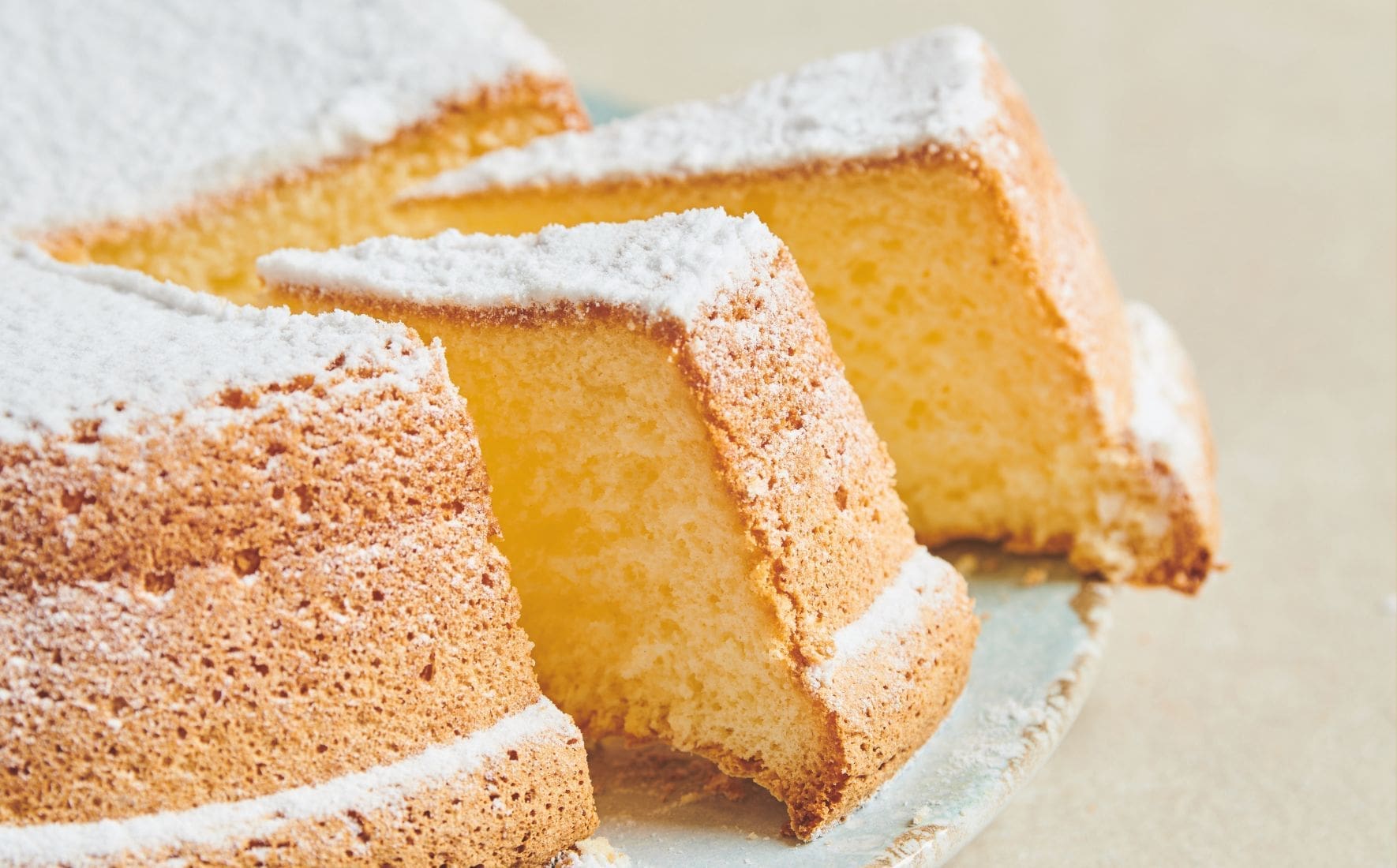
This Biscuit de Savoie from The Art of Baking by Hidde de Brabander is a classic French cake with a light and refined texture.

According to Spencer Hyman, founder of the artisanal chocolate platform Cocoa Runners, we need to learn to eat chocolate differently.

Yerevan is best known for its rich history, but is developing into a surprising destination for specialty coffee. On this city trip to the Armenian capital, you’ll discover hidden roasteries, modern coffee bars, and a traditional tea house.


