Laatst bijgewerkt op: 13/10/2026
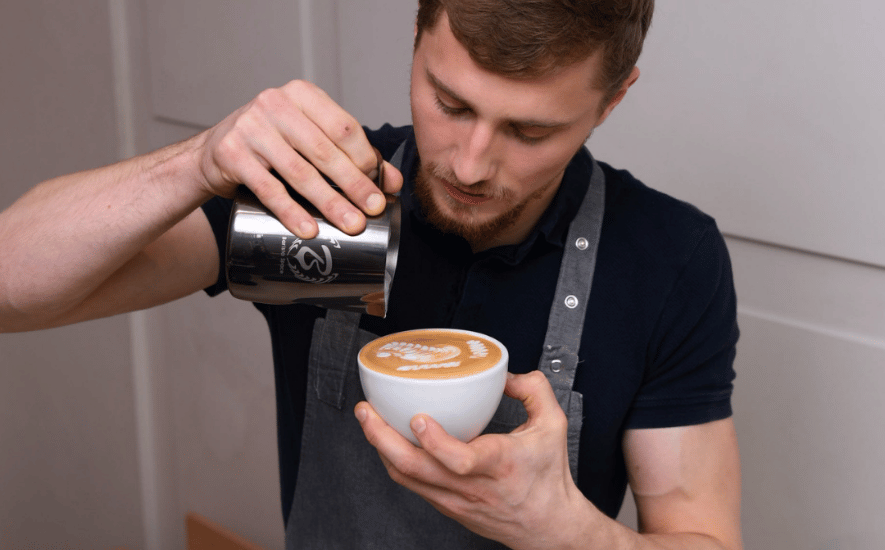
The 2023 World Latte Art Championship will take place in Taiwan from November 17 through 20. Kaspar Tammjärv will represent the Netherlands on the world stage. There, he’ll showcase his best latte art to secure a spot in at least the top 12—“that’s my goal.”
This year, Taipei is the city hosting the World Latte Art, World Roasting, and World Coffee in Good Spirits Championships. Representing the Netherlands is Kaspar Tammjärv will soon be boarding a flight to Taiwan to showcase his best latte art on the world stage.
LastLast year, the barista—originally from Etten—won the Dutch Latte Art Championship, just as he did in 2019. To share his knowledge, he founded Subtle Coffee , where he offers training courses and his own house-roasted coffee.
What’s your best tip for creating (complex) latte art?
“As we all know, good milk quality is the foundation of everything. Next, it’s very important that you create an even canvas for your latte art during the first phase of pouring, ensuring that the milk mixes completely with the espresso before you start the design. I often see baristas adopting poor posture, such as holding the milk pitcher at an angle. This prevents them from exercising sufficient control over the milk flow.”
What is the best milk for latte art?
In principle, you can create latte art with any milk or plant-based beverage once you’ve got the hang of it. But when it comes to foaming and pouring high-end designs, nothing beats whole cow’s milk. Simply because the ratio of oils and fats in other types of milk or plant-based beverages isn’t the same as in cow’s milk. That results in blurry lines and edges in your designs.
What are you going to grumble about?
From dirty milk pitchers. You’ll only get nice microfoam if you clean the milk pitcher in between uses and froth fresh milk for every coffee.
Ultimate coffee tool?
The PUQpress. It’s one of the tools that ensures consistency when you’re working with a lot of baristas. It allows baristas to focus on the quality of their drinks because they don’t have to worry about tamping. Plus, I want to thank PUQpress for saving our wrists!
What’s your favorite coffee-producing country?
Coffees from Central America, particularly Guatemala, always appeal to me. They manage to produce coffee on a large scale there and process it cleanly and consistently. Thanks to the climate, the mountainous terrain, and the volcanic soil, many coffees from there also develop a more intense flavor with a medium to full body without becoming too complex for the average coffee drinker.