


Laatst bijgewerkt op: 20/07/2026
In July, we’ll be taking a closer look at what lies behind coffee, cacao, and chocolate. New reports and partnerships focus on regenerative agriculture, more transparent supply chains, and better incomes for farming families. Closer to home, an exhibition opening later this year will explore how our daily cup of coffee is connected to ceramics, colonial history, and cultural perceptions.
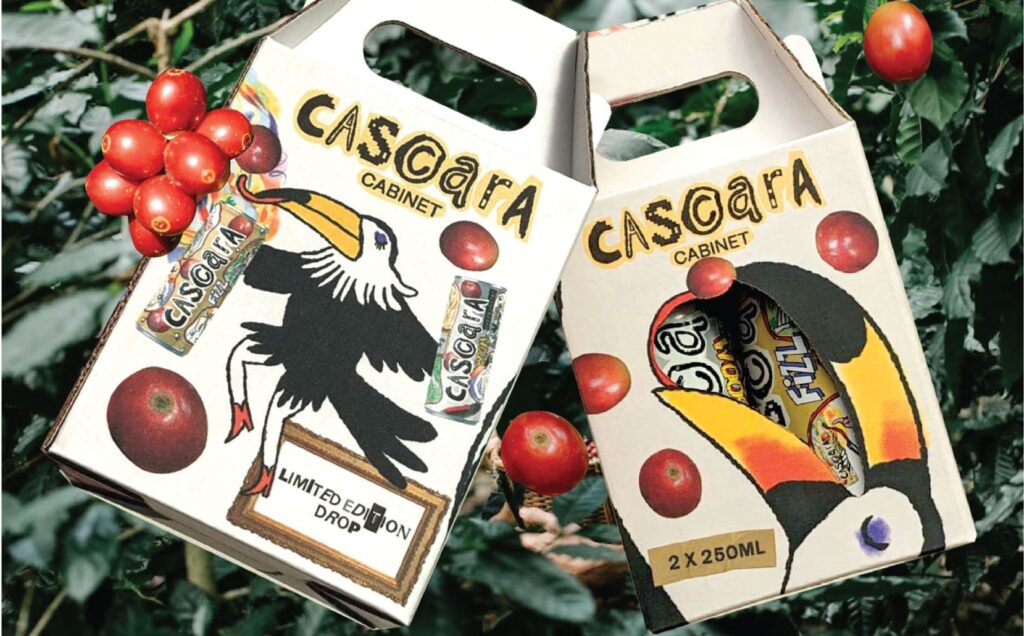
Cascara Cabinet is launching two soft drinks made from cascara: the peel and pulp of the coffee cherry. While the coffee bean usually takes center stage, this brand is putting that second layer in the spotlight.
The beverages are available in two 250-ml varieties. Cascara Cabinet Fizz is caffeine-free, contains 17 kcal, and features notes of hibiscus, rosehip, and dried fruit. Cascara Cabinet Boom contains 40 mg of caffeine. Both varieties contain 4.2 grams of prebiotic fiber per can, derived from agave inulin and Benicaros®, a fiber derived from carrots.
Cascara Cabinet is designed for those moments when you’re thirsty, eating something savory, or want to keep working at your favorite coffee shop without ordering another cup of coffee. You can order by the tray of 12 cans for €26.40 (excluding deposit). Get 20% off your first order with the code OPENCABINET.
Order Cascara Cabinet through the online store
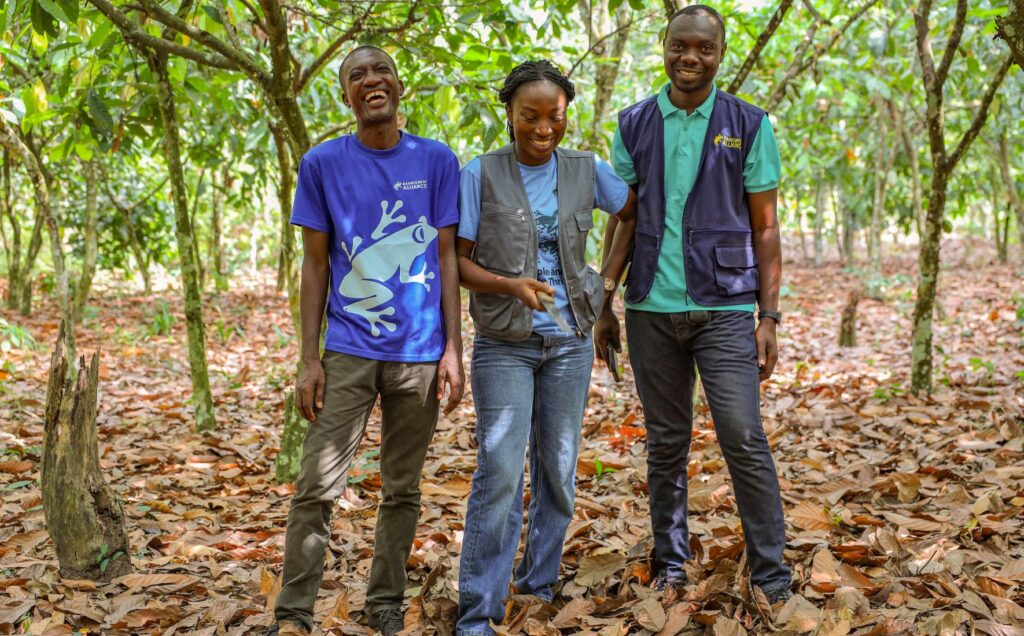
The Rainforest Alliance has published its 2025 annual report. *Regeneration Takes Root* presents data on programs related to regenerative agriculture, certification, and landscape restoration in coffee, cacao, and other agricultural regions.
In 2025, these activities spanned 64 countries, covered 11.9 million hectares of protected or restored ecosystems, and reached 10.8 million farmers and workers. Additionally, 5.5 million metric tons of greenhouse gas emissions were avoided or sequestered.
For coffee and cocoa, the shift is particularly interesting: from causing less damage to actively restoring soil, water, and biodiversity. The report highlights, among other things, coffee plantations in Nicaragua and cocoa-growing regions in Ghana and Cameroon.
View the full report from the Rainforest Alliance

Solidaridad and Fairfood will merge effective August 1, 2026. The organizations will continue to operate under the Solidaridad banner and aim to further scale up digital traceability, transparent supply chains, and improved conditions for small-scale farmers.
Fairfood brings open-source technology and expertise in supply chain data, among other things; Solidaridad adds an international network and local knowledge in producing countries. The organizations have previously collaborated on digital solutions for food supply chains. This is particularly relevant for coffee, tea, cocoa, and spices, as traceability information for these products often passes through many intermediaries. The merger aims to make it easier to turn data into valuable insights not only for buyers but also for small-scale farmers.
Read more about the merger at Solidaridad
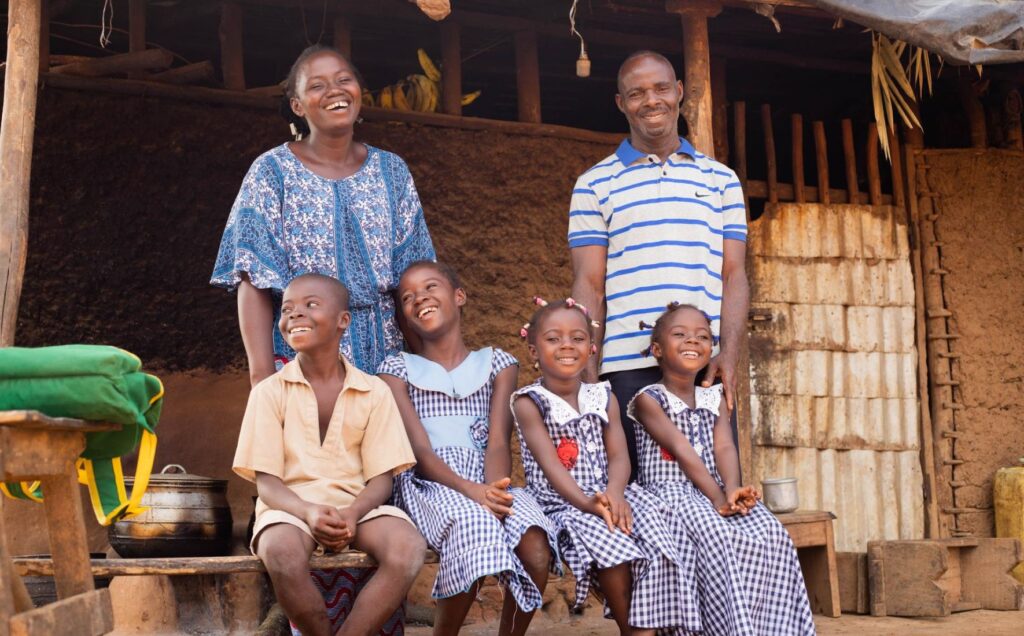
On World Chocolate Day, Nestlé shared the results of an independent impact assessment conducted by the KIT Institute. The total household income of participating cocoa-farming families in Ivory Coast has increased by 189 percent since 2022.
The Nestlé Income Accelerator Program combines financial incentives with training in agriculture, pruning, tree planting, education, and ways to generate additional income beyond cocoa. The evaluation was conducted among 10,000 households that have been participating in the program since 2022. Currently, approximately 45,000 cocoa-farming families in Côte d’Ivoire and Ghana are participating.
Net income from cocoa also increased, as did children’s school attendance and women’s economic independence. At the same time, the researchers recommend paying extra attention to pruning quality, income diversification, and additional support for school attendance.
Learn more about the evaluation of the Nestlé Income Accelerator Program












This bright green tea powder comes from a remote mountain community in China and is perfect for tea and (iced) matcha lattes.

Coffee and tea experts share seasonal recipes and practical ideas for restaurant menus. The workshops take place at a pick-your-own garden in Stoutenburg.

These classic madeleines from The Art of Baking by Hidde de Brabander combine a soft texture with a rich buttery taste.


