Foam and Style: How Tea Schools Shape the Matcha Experience
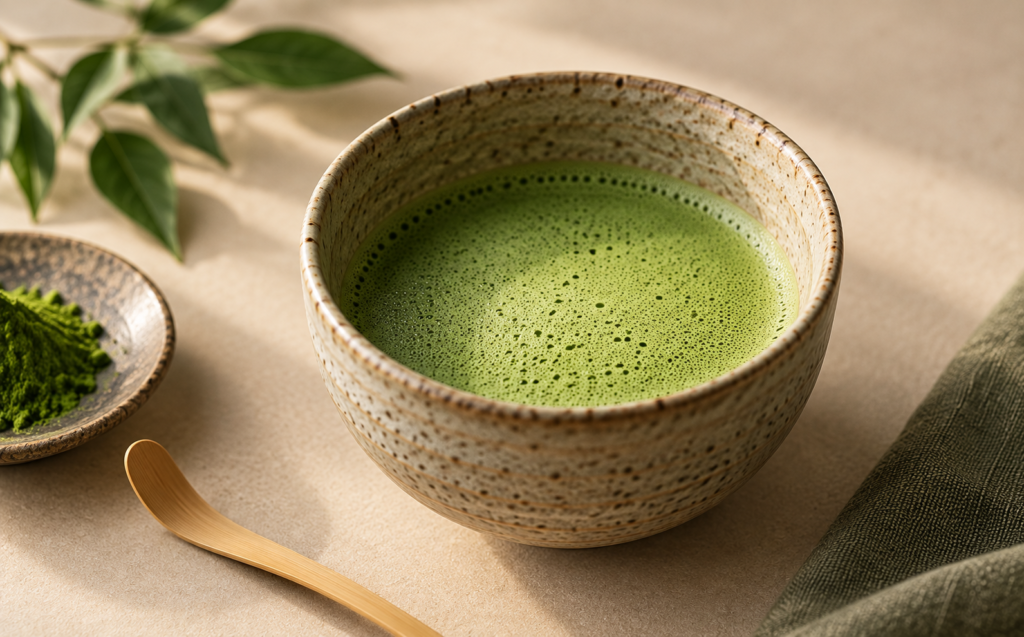
Is a lot of foam a sign of good matcha? Not necessarily.


Is a lot of foam a sign of good matcha? Not necessarily.

This bright green tea powder comes from a remote mountain community in China and is perfect for tea and (iced) matcha lattes.

In *The Art of Baking*, Hidde de Brabander opts for macarons featuring a sophisticated combination of matcha, yuzu, and white chocolate

From light, airy foam to a thick, glossy texture: usucha vs. koicha.

This Japanese green tea is roasted after processing, giving it a flavor that is more reminiscent of nuts, wood, and caramel than of grass or seaweed.

Tea is evolving from a side item on the menu into a full-fledged beverage category. Bernadine Tay, president of the European Speciality Tea Association, sees matcha, origin, the hospitality industry, wellness, and tea pairings in particular as signs of a broader shift.

In this article, you’ll discover how cultivars—the genetic varieties of the tea plant—determine how a plant responds to shade, how much umami it develops, and how creamy or bitter the final matcha will be.

Kiona Malinka of Crusio Tea tells how specialty tea came of age in the Netherlands. About matcha, tea trends, Japanese tea masters, Chinese plantations and why tea is finally being taken seriously in hospitality and coffee bars.

With Arla Pro Cold Foam, you can easily give iced coffees, matchas and signature drinks a creamy finishing touch. We share two recipes.

Why does matcha from Uji taste so different from matcha from Kagoshima? In this article, you’ll discover how climate, soil, altitude and shade cultivation combine to form matcha’s terroir and determine its taste.