


Laatst bijgewerkt op: 04/06/2026
Matcha is one of the most widely used but also most misunderstood tea terms at the moment. Anything green and powdery is quickly referred to as matcha. On packaging, in cafes, on social media and even in trainings. This creates confusion, disappointment and unrealistic expectations.
True matcha is neither a marketing term nor a synonym for powdered green tea. It is the result of a very specific chain of choices, from cultivation to grinding. In this article, we make that distinction clear. Not to be strict, but to make it understandable why some matchas are soft and round, while others always remain sharp, no matter how well you prepare them.
This explanation is based on the practical experience and teaching materials of Richard Schukkink, founder of the International Tea and Coffee Academy.
This article is part of the Matcha dossier. The complete overview of all articles, from cultivation and processing to brewing and applications, can be found on the overview page: Matcha explained: from tea leaf to bowl.
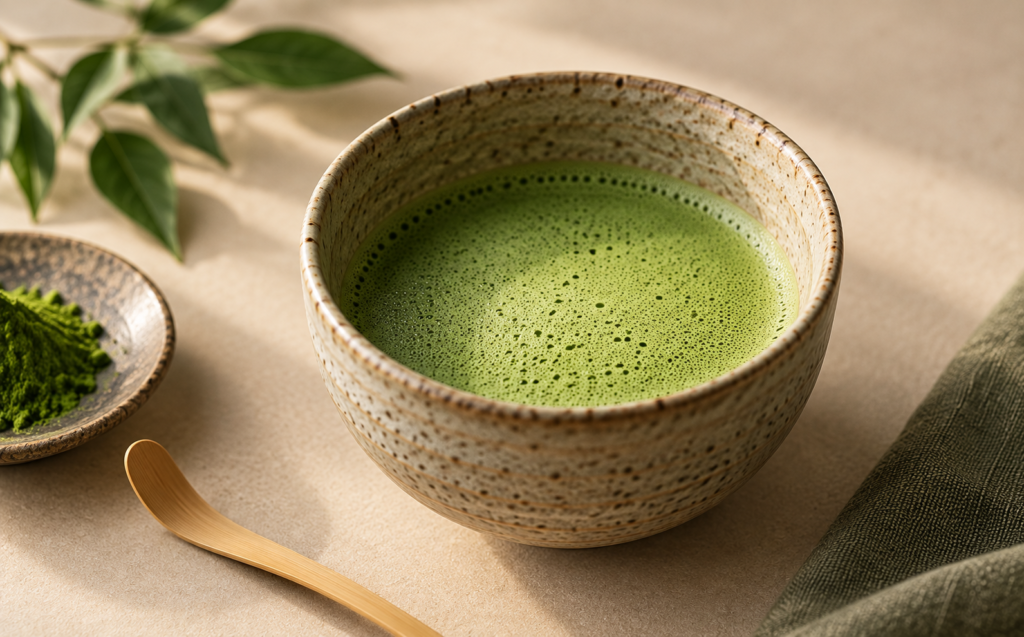
Real matcha is made from tencha. Tencha is tea leaves that are specially grown and processed for one purpose: to be later ground into a powder that is pleasant to drink.
That means the tea plant:
The crucial point is this: matcha is not a preparation method, but a product category. You cannot make every green tea into matcha simply by grinding it finely.
In addition to real matcha, you often come across products sold as green tea powder or powdered green tea. These are usually ground senchas or other green teas.
But they lack some properties that are essential for matcha that you drink pure. Tea that is not meant to be matcha for drinking pure has:
The difference is not only in taste, but also in mouthfeel. Matcha is supposed to be velvety, not gritty or sparse.
With many teas, you can partially mask mistakes. Too bitter? Slightly colder water. Too strong? Shorter steeping. With matcha, it doesn’t work that way. You drink the whole leaf. Anything that goes wrong during cultivation, processing and storage goes straight into your bowl. You can steer with water and technique, but you can’t knock a bad base right. That’s why matcha is honest. And sometimes ruthless.
Terms such as ceremonial grade and culinary grade are used worldwide, but they are not protected and do not mean the same thing everywhere. In practice, they function primarily as an indication of purpose and a rough quality estimate. Ceremonial grade is usually used for matcha intended for drinking pure. It is often softer, greener and less bitter. Culinary grade is used for applications with milk, sugar or heat, where a firmer profile is actually desired. Important to understand: ceremonial does not automatically mean top quality, and culinary does not automatically mean inferior. It is about suitability for use, not a hierarchy.
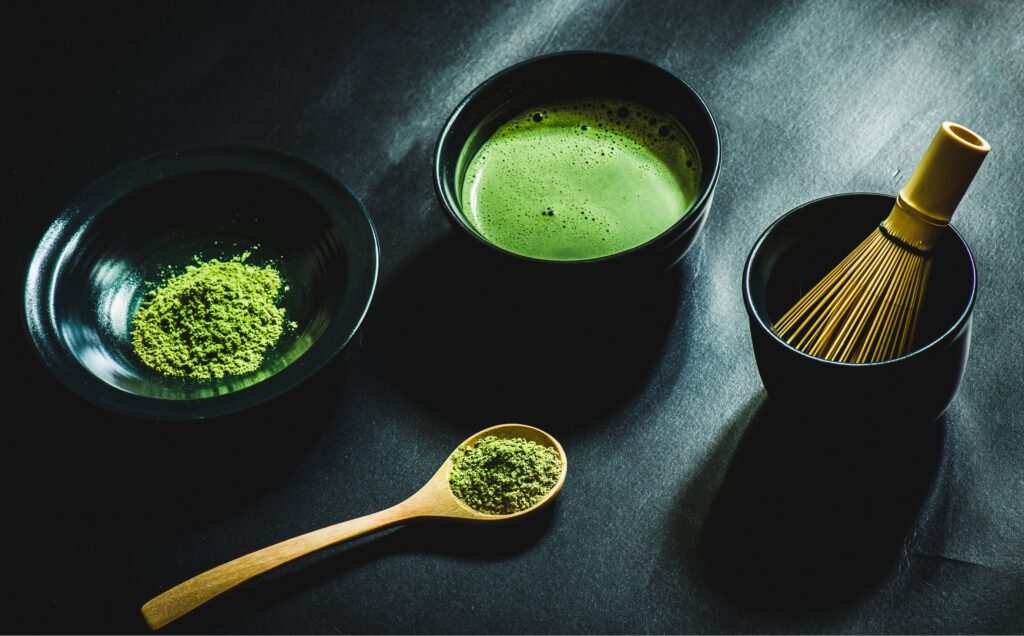
Within true matcha, there are great differences in quality, depending on the intended use. For usucha, the thin matcha, a matcha may be fresh and lively, as long as bitterness and astringency remain manageable. For koicha, the thick matcha, the requirements are much higher. Not every matcha can become koicha. The leaf must avoid bitter extremely well while having enough body to remain syrupy and round at high concentration. A matcha that works fine in usucha may become undrinkable in koicha.
The worldwide popularity of matcha has led to much oversimplification. Health claims, detox stories and superfood rhetoric often overshadow the craftsmanship. That’s a shame, because matcha doesn’t have to be mystical or magical to be special. It is special because:
Those who truly understand matcha don’t need claims.
A few practical pointers help to distinguish:
None of these points stand alone. Together, they tell the story of the magazine.
True matcha is powdered tencha, derived from shade-grown leaves processed specifically to be drunk as powder. Anything beyond that can be green tea powder, but is not automatically matcha. Those who understand this distinction taste differently. And chooses more consciously.
In the following articles, we delve deeper into the components that make true matcha possible, starting with shade growing and then grinding and brewing matcha.
This article is part of the Matcha dossier. The complete overview of all articles, from cultivation and processing to brewing and applications, can be found on the overview page: Matcha explained: from tea leaf to bowl.












Coffee and tea experts share seasonal recipes and practical ideas for restaurant menus. The workshops take place at a pick-your-own garden in Stoutenburg.

These classic madeleines from The Art of Baking by Hidde de Brabander combine a soft texture with a rich buttery taste.

In this article, we debunk 10 persistent fables and myths about coffee. From caffeine to Kaldi and from oil to dehydration. What is really true, and what is mostly a persistent misconception?


