


Laatst bijgewerkt op: 07/07/2026
By Bernadine Tay, President of the European Speciality Tea Association
Tea is rapidly evolving from a side item on the menu to a full-fledged product category in the hospitality industry. But according to Bernadine Tay, president of the European Speciality Tea Association, the sector is growing faster than the knowledge and structures needed to sustainably support that development. Exclusively for koffieTcacao, Tay shares her perspective on the ten trends she believes will shape the future of tea.
Tea is at a turning point. For years, tea was seen as a secondary offering alongside coffee, but we are now seeing the category rapidly gain ground in the hospitality industry and the rapidly growing non-alcoholic and low-alcohol market. Consumers are becoming more curious, chefs are experimenting more, and buyers are taking a more critical look at quality and origin.
But this growth also presents a significant challenge. Interest in tea is growing faster than the infrastructure needed to support that growth. Knowledge, standards, and professional structures are lagging behind.
In my role with the European Speciality Tea Association (ESTA), I therefore look not only at trends, but above all at which developments will actually shape the future of tea as a full-fledged product category. Not every trend has the same impact. These observations stem from discussions within the ESTA network with producers, retailers, hospitality professionals, and educators across Europe.
Some developments are primarily a reflection of changing consumer behavior. Others point to a fundamental shift in how tea is valued, understood, and experienced. That distinction is important because, although tea is increasingly being positioned alongside wine and specialty coffee, the professional infrastructure needed to fully support that position is still largely lacking.
The following ten trends illustrate what’s currently happening in the tea industry. Hidden among these trends, however, is a smaller group of developments that will ultimately determine whether tea can evolve into a premium category centered on the experience.
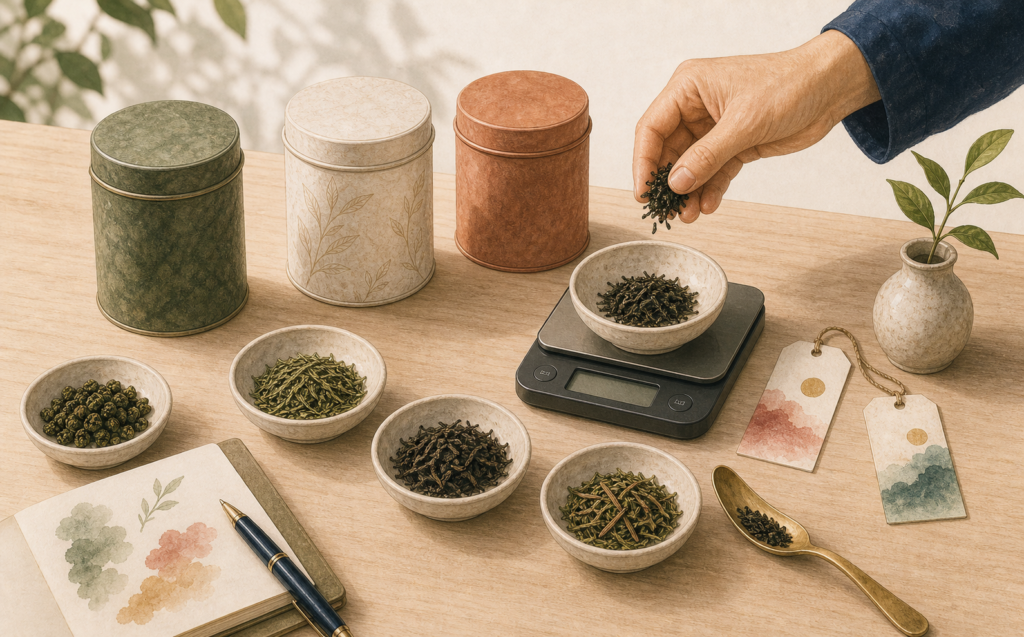
I’ve noticed that consumers are increasingly seeking more control over brewing methods and flavor. As a result, loose-leaf tea is seen less as traditional or old-fashioned, and more as a way to influence the final flavor experience themselves.
While coffee in many hospitality establishments has come to revolve around the experience, storytelling, and craftsmanship, tea often remains strikingly underdeveloped. This not only results in missed revenue opportunities but can also have a negative impact on the overall guest experience.
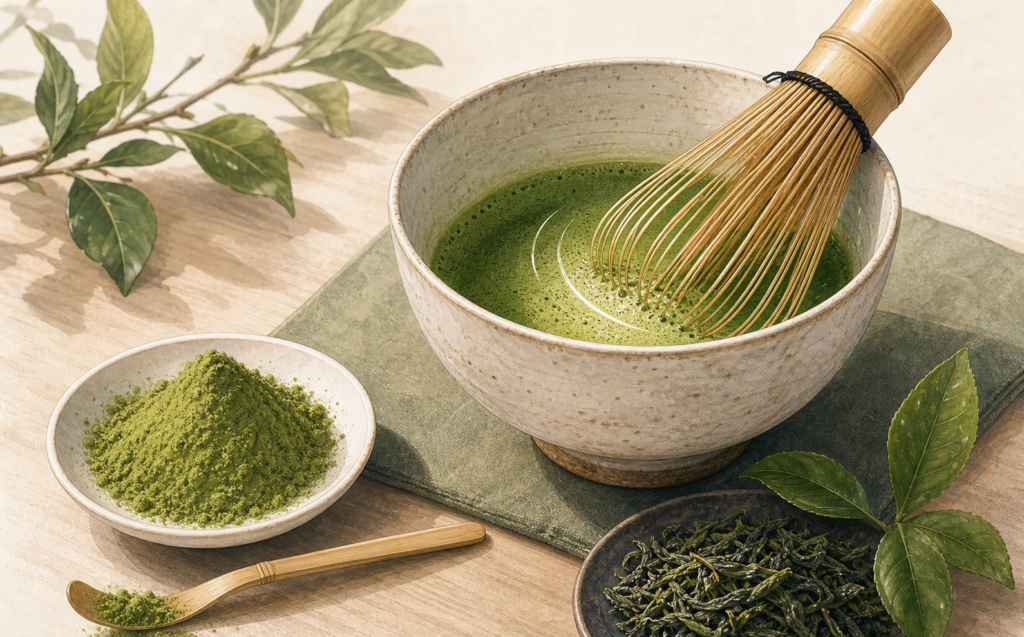
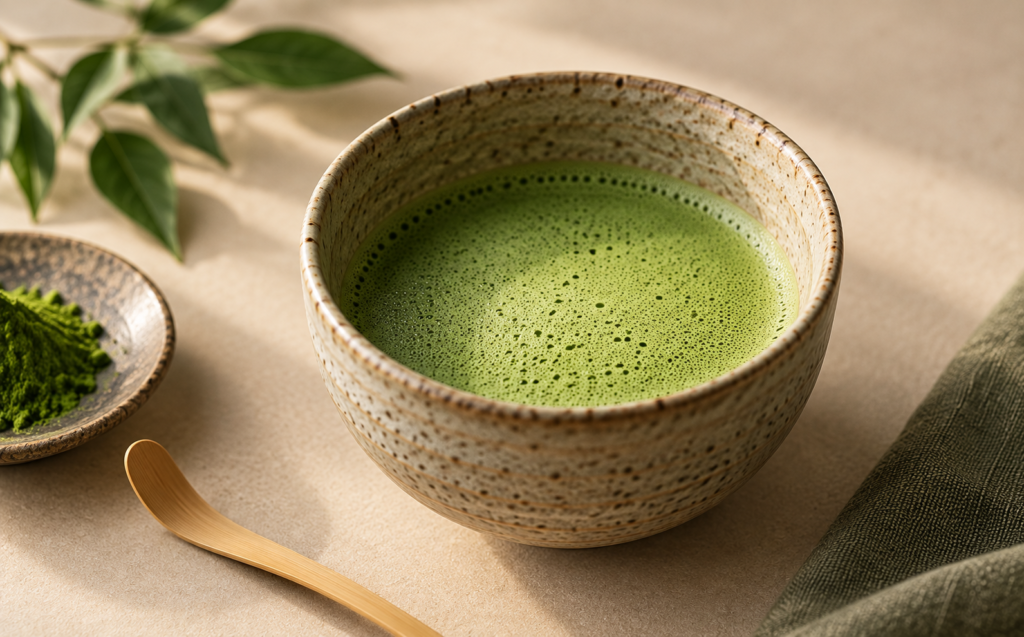
Few products illustrate the growing popularity of tea as clearly as matcha. Demand is being driven by specialty cafés, health claims, food manufacturers, and consumers looking for an alternative to coffee. At the same time, it is difficult to scale up the production of high-quality matcha. Shade cultivation, careful harvesting, and stone grinding require time, expertise, and a suitable origin.
As a result, buyers face higher prices, longer delivery times, and inconsistent quality. Matcha also highlights a broader problem: demand is growing faster than understanding of the product. Terms such as “ceremonial grade” are often used without a clear, widely accepted definition. For ESTA, matcha is therefore not a problem in and of itself, but rather a stress test that demonstrates why education, transparency, and clear quality standards are becoming increasingly important for the entire tea category.
In Europe, the number of specialty tea retailers is growing, with these businesses distinguishing themselves through careful selection, expertise, and provenance rather than scale. Companies like Postcard Teas in London are building their reputations around teas from individual producers and telling the story behind their origins. Other players, such as Mei Leaf, are creating engaged communities through education and detailed explanations of origin, processing, and brewing methods.
What these companies have in common is that they do not treat tea as a commodity, but as an artisanal product with cultural, agricultural, and sensory value. In doing so, they play a role similar to that of the first specialty coffee roasters: they help consumers better understand quality and increase demand for transparent sourcing.
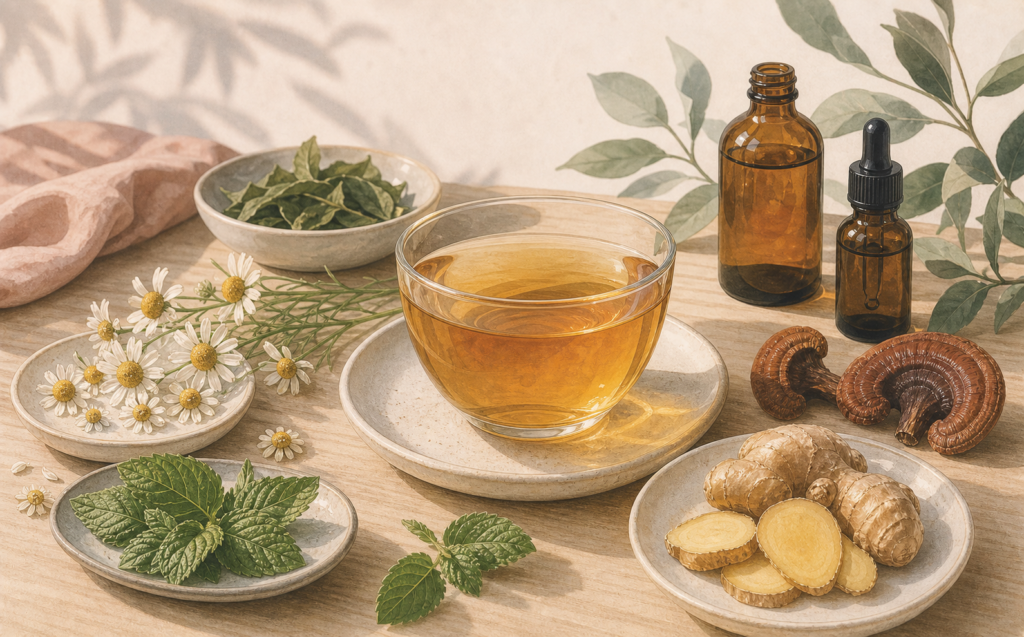
Tea is naturally strongly associated with well-being, which makes this category attractive within the growing wellness market. Consumers are looking for products that promote sleep, focus, energy, stress relief, or immunity—sometimes featuring traditional ingredients like chamomile, ginger, or peppermint, and sometimes containing adaptogens, nootropics, or botanical extracts.
The challenge lies in communication. Wellness language often straddles the line between evidence-based benefits and aspirational lifestyle marketing. This presents an opportunity for the specialty tea sector, provided it remains cautious: the value of tea lies not only in its ingredients, but also in the ritual, aroma, taste, and the moment of respite that a cup of tea can create.
I’ve noticed that interest in the origin, processing, and uses of tea is growing rapidly. Yet many consumers still lack basic knowledge, which makes it difficult to truly appreciate tea.
Origin, traceability, and farming methods are evolving from marketing terms into concrete expectations. Tea is thus beginning to undergo the same development that was previously seen in the wine and specialty coffee industries.
Environmental impact and social conditions are playing an increasingly important role in purchasing decisions. Transparency and long-term sustainability are becoming more important to both businesses and consumers.
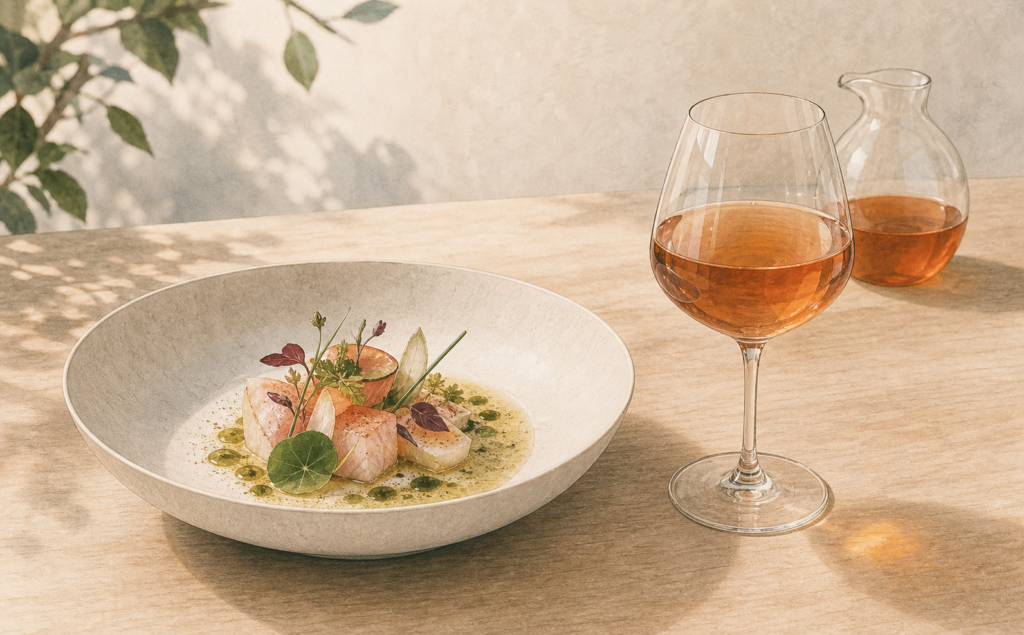
Tea has been used in kitchens for quite some time, but the way chefs work with it is becoming more sophisticated. Tea is no longer used solely as an infusion, but as an ingredient with its own flavor profile. Think of smoked tea to add depth to savory dishes, roasted tea such as hojicha in desserts, or tea in reductions, broths, and fermentations.
In restaurants and non-alcoholic pairing programs, tea is increasingly being viewed as a flavor component within the broader dining experience. It can add tannin structure, aromatic complexity, and a sense of origin. As a result, tea is moving beyond the novelty phase and is being treated with the same seriousness as wine, coffee, spices, or cocoa.
Rituals, tableware, presentation, and storytelling are playing an increasingly important role in how tea is presented, enjoyed, and appreciated.
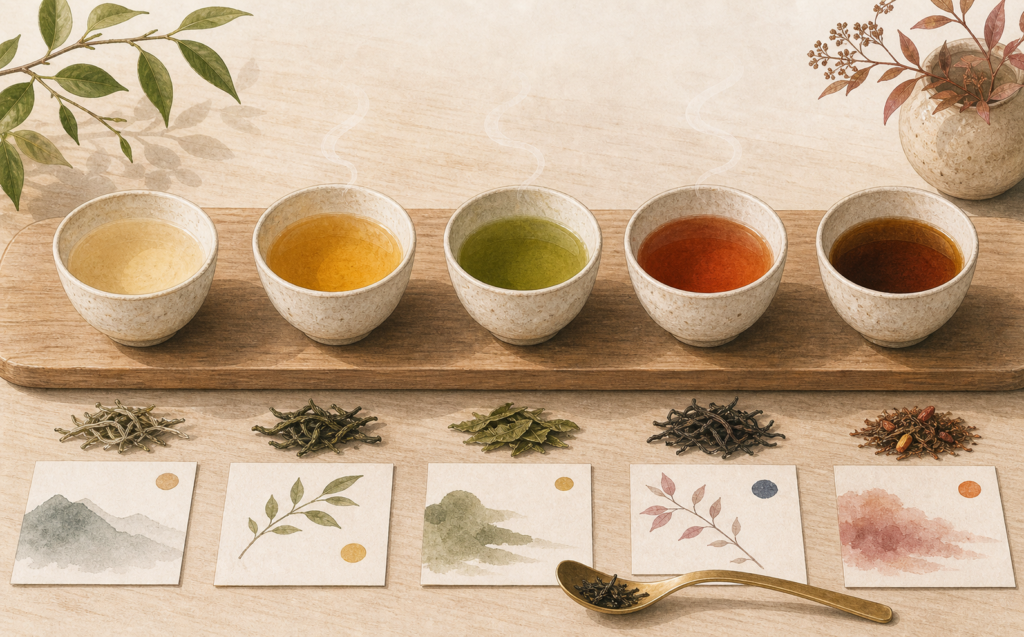
Although each of these trends says something about the changing market, I believe a smaller group points to a more fundamental shift. Tea is slowly evolving from a commodity beverage to a premium experiential category, especially within specialty retail, the hospitality industry, and fine dining.
That doesn’t mean tea already holds the same position as wine. The category is still relatively early in that development. But the direction has become clearer. A good example is tea’s role in the no- and low-alcohol movement. Tea is used there not only as an alcohol-free alternative, but also as an ingredient that can offer complexity, tannin structure, aroma, and opportunities for food pairing.
Tea is also playing an increasingly important role in high-quality non-alcoholic products. Sparkling teas, tea-based aperitifs, and fermented tea beverages demonstrate that tea can serve as the foundation for new beverage categories, with its own distinct flavor profile rather than simply mimicking wine or cocktails.
At the same time, tea is increasingly being designed as an experience. Think of brewing rituals, carefully selected tableware, guided tastings, tea flights, tea menus, and educational moments that focus on origin and flavor. This is changing not only how tea is consumed, but above all, how it is appreciated.
The challenge now is to ensure that knowledge, standards, and professional infrastructure evolve quickly enough. Organizations like ESTA can play an important role in this by bringing together producers, retailers, foodservice professionals, educators, and consumers, and by developing a common language for quality, origin, preparation, and presentation.
The question is no longer whether tea as a category will grow, but whether the industry can lay the groundwork to support that growth in a credible, responsible, and sustainable manner.
About the Author
Bernadine Tay is the founder of Quintessential and president of the European Speciality Tea Association. Originally from Singapore, this tea expert combines her background as a biomedical scientist with a deep passion for tea, flavor, and well-being. In 2010, she founded Quintessential, a brand focused on carefully crafted tea and botanical blends that combine functionality and flavor. Through her work, Tay is actively committed to promoting greater knowledge, transparency, and quality standards within the European tea industry, with the goal of positioning tea more seriously as a premium category alongside wine and specialty coffee.








This bright green tea powder comes from a remote mountain community in China and is perfect for tea and (iced) matcha lattes.

Coffee and tea experts share seasonal recipes and practical ideas for restaurant menus. The workshops take place at a pick-your-own garden in Stoutenburg.

These classic madeleines from The Art of Baking by Hidde de Brabander combine a soft texture with a rich buttery taste.


