


Gepubliceerd op: 11/02/2022
Oolong was used in China more than 1,000 years ago during ceremonial imperial occasions. Although the tea was unknown and unpopular in the West for a long time, oolong has since become extremely popular.
Legend has it that in a neglected temple in the heart of the Chinese city of Anxi stood an iron statue of the Goddess of Compassion: Guanyin. A poor farmer, Mr. Wei, passed by the temple every day on his way to his tea gardens. He saw the temple’s condition deteriorating and wanted to do something about it. But since he was poor and unable to restore the temple, he decided to do something that was within his means.
For months, Mr. Wei swept the temple and lit incense as an offering to Guanyin. One night, Guanyin appeared in his dream and told him that a treasure awaited him in the cave behind the temple, which he was to share with others. In the cave, the farmer found a young tea plant.
He planted it in his tea garden and tended to it until the bush produced the finest tea. He gave seedlings to all his neighbors and began selling the tea under the name Tie Guan Yin, “Iron Goddess of Mercy.” The village’s prosperity grew rapidly, and the temple was completely renovated.
In Anxi, tea is hugely important to the local economy. As you drive into the city, you’ll see people everywhere sitting with their hands in the tea, removing the stems from the tea leaves that have been rolled into little balls. It’s an extremely labor-intensive task that involves people of all ages and genders.
This doesn’t happen in large factories, but right out on the street in front of doors and stores. And not just tea shops, but also stores that sell cell phones or plumbing fixtures. Incidentally, the stems aren’t thrown away, but sold to nearby restaurants, which use them to make tea for their guests. In China, it’s customary to be served free tea with a meal.
In China, the tea-making process always begins the same way: preheating and rinsing the cups, then pouring water over the tea leaves, letting it sit for a moment, and finally pouring out the tea water. This is called “washing the tea.”
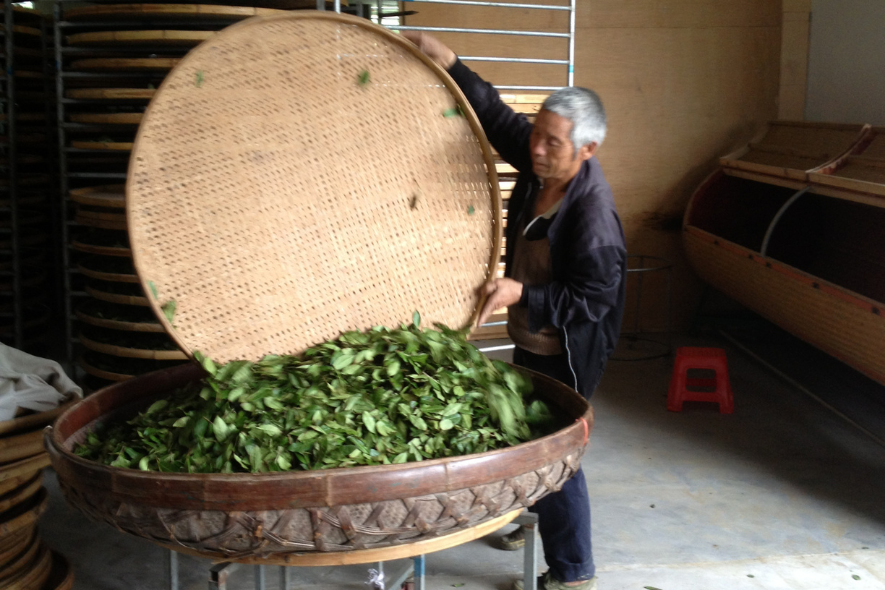
In China, this step is never skipped. The reason is that after picking, the tea leaves are laid out on the ground to dry a bit. This can be any hard surface, from a small square in the park to even the living room in bad weather. It’s not unthinkable that a chicken or a cat might walk over the tea.
After rinsing the tea, water is poured over it again, and after just a few seconds, the oolong tea is poured into small cups. This traditional Chinese method of using a large amount of tea with a very short steeping time results in a wonderfully sweet and mild flavor. After brewing, the leaves are not discarded but are rebrewed up to ten times.
Wuyishan is located in the northern part of the Chinese province of Fujian. It is a region in the Wuyi Mountains, just under an hour’s flight from Xiamen. Wuyishan is the birthplace of another famous oolong tea, Da Hong Pao. This tea owes its distinctive flavor to the unique location where it grows among massive rock formations. Minerals in the soil give this tea a balanced, sweet, slightly roasted flavor with notes of licorice, nuts, and honey.
Incidentally, only three of the original Da Hong Pao bushes remain, and no leaves have been picked from them in recent years. In 1982, Beijing sent the army to Wuyishan to protect these three bushes. Today, they are insured for 1 billion yuan, which is more than 12 million euros.
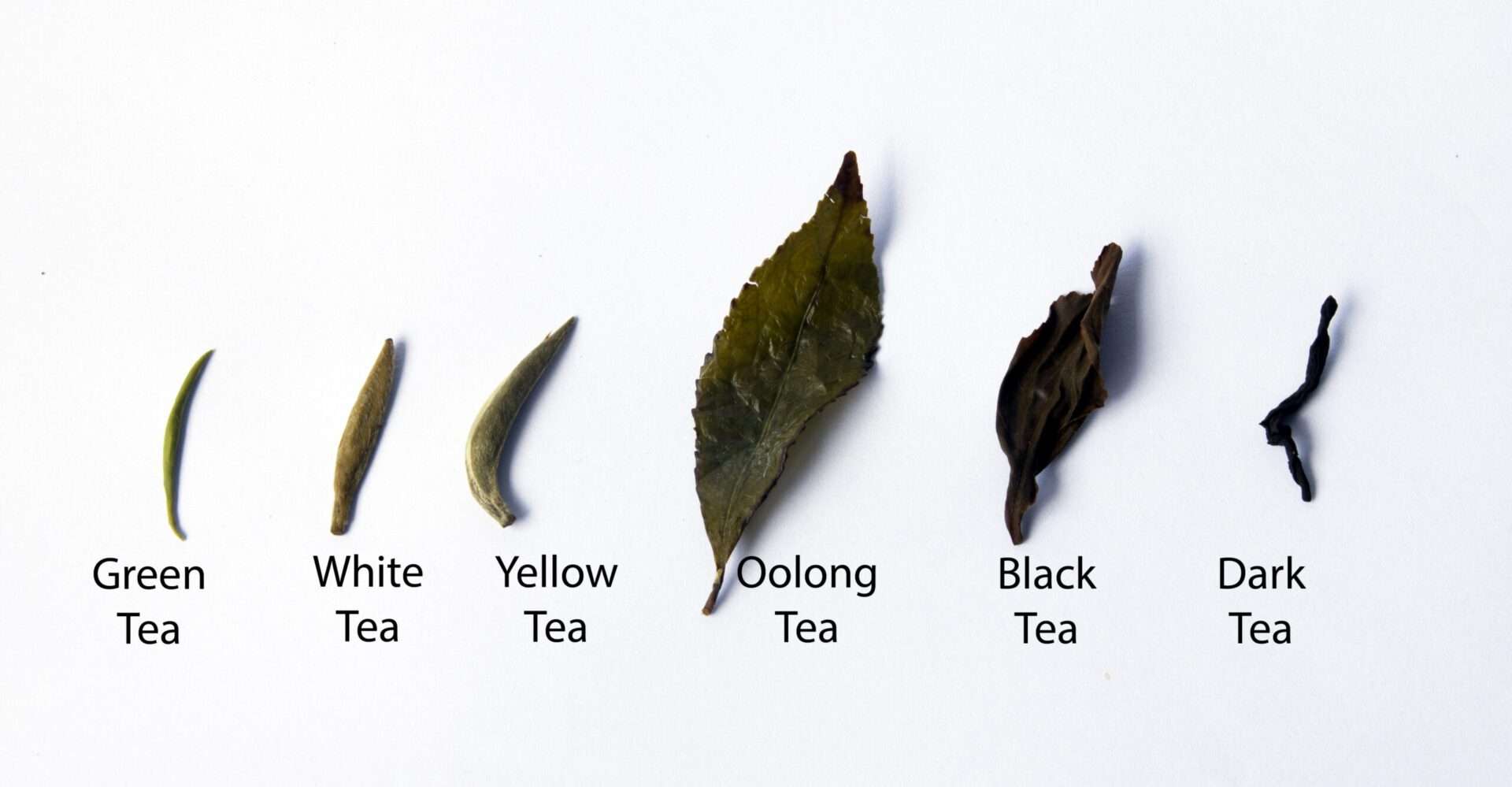
There are six classes or types of tea: white, yellow, green, oolong, black, and post-fermented tea. They all come from the leaves of the tea plant, Camellia sinensis, but the processing method is what sets them apart.
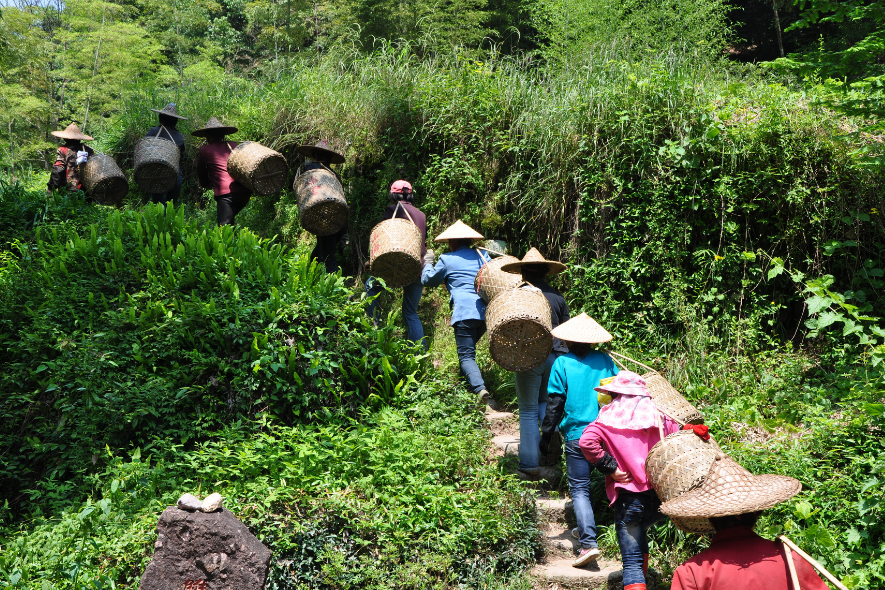
Compared to other types of tea, oolong tea involves the most processing steps. After picking, the tea leaves are carried from the mountains to the factories in huge sacks and baskets. At the factory, the leaves are first allowed to dry out a bit and become limp by spreading them out on the ground.
The leaves are then placed in large rotating drums to bruise the outer surface of the leaves. This allows oxygen to reach the leaves, and the tea begins to oxidize. To stop this process halfway through and thus preserve the fruitiness, the leaves are placed in a hot oven.
After rolling the leaves to draw out the juices that give the tea its flavor, the tea is dried. Finally, oolong tea is roasted. There are three levels of roasting: light, medium or heavy roasted.



















According to Spencer Hyman, founder of the artisanal chocolate platform Cocoa Runners, we need to learn to eat chocolate differently.

Yerevan is best known for its rich history, but is developing into a surprising destination for specialty coffee. On this city trip to the Armenian capital, you’ll discover hidden roasteries, modern coffee bars, and a traditional tea house.

From higher Fairtrade prices and coffee beans for home use to an exhibition on coffee and colonial history: here's what's happening in September.


