


Laatst bijgewerkt op: 15/06/2026
Part 2 of 3 in a triptych on origin, processing and taste
At La Reserva de ¡Tierra! Cuba, harvesting is all about timing and careful handling. Between September and January, growers in the Granma and Santiago de Cuba regions harvest the berries. They often work together in small cooperatives. Only fully ripe coffee berries are picked, piece by piece. This selection at the plant is an important basis for the later quality of the coffee.
Harvesting is done entirely by hand. This prevents damage to the berry and makes it possible to choose the right moment for each plant and branch. Harvesting requires physical effort, but also experience. Growers know their plants, follow the ripening process and adjust their work to the pace of nature.
During a trip organized by Lavazza, baristas, trainers and coffee professionals from different countries visited plantations, villages, laboratories and homes in the coffee community.
After harvesting, the beans are processed within a few hours. During dehulling, the pulp is carefully removed so that the bean is released without being damaged. Speed is important here to preserve freshness and aromatic properties.
Washing is followed by fermentation, a stage that is carefully controlled. In Cuba, this is done partly in collaboration with the Lavazza Group’s research and development department. For part of the Robusta harvest, indigenous yeasts are used, which occur naturally in the area. These yeasts influence the fermentation process and contribute to the blend’s unique flavor profile, with sweet and elegant flavor notes.
Sander Frau, Dutch barista: “We just finished harvesting. It’s not just about picking, it’s about accuracy. Every action counts. Seeing the whole process, from plant to processing, gave a lot of insight”
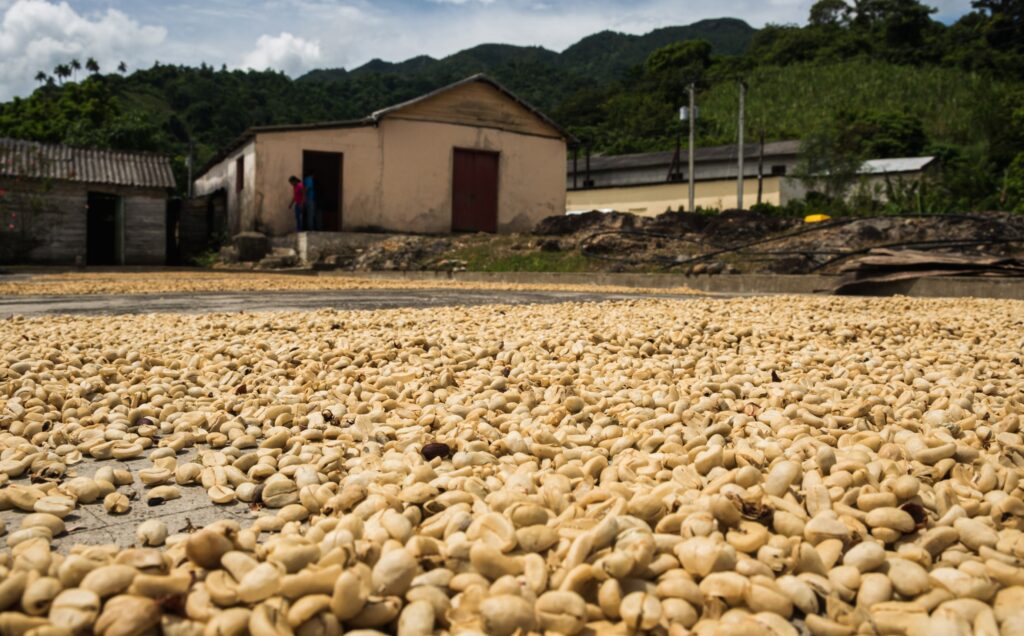
After fermentation, the beans are dried in the sun. On large patios, they are spread out in thin layers and turned several times a day with wooden rakes. This traditional process ensures even drying and prevents unwanted fermentation.
Once the beans are dried, the protective parchment layer is removed. This is followed by an extensive selection process consisting of four steps. Three of these are automated, via sieve sorting, density tables and optical sorting machines.
Gaetano Flandina, owner Caffetteria Ciachea, Italy: “After all the machines, you can still see human hands at work here. Each bean is looked at as if it stands on its own. That made a big impression”
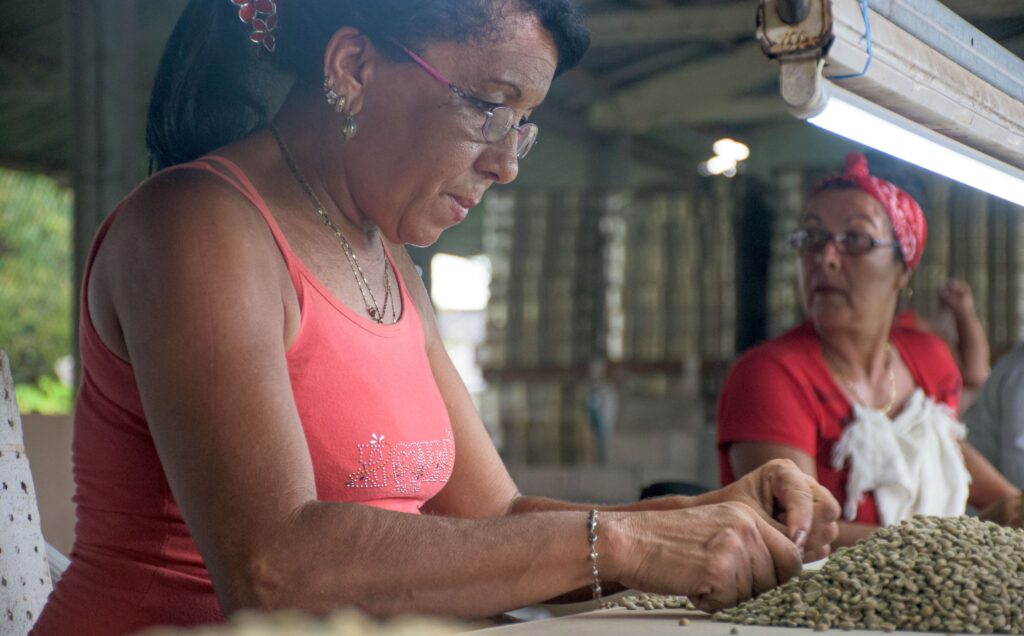
The final step is done entirely by hand. About a hundred women check each bean individually and remove discrepancies. It is precise and repetitive work, but essential to ensure consistency. This form of manual selection is still part of the process, alongside the use of technology.
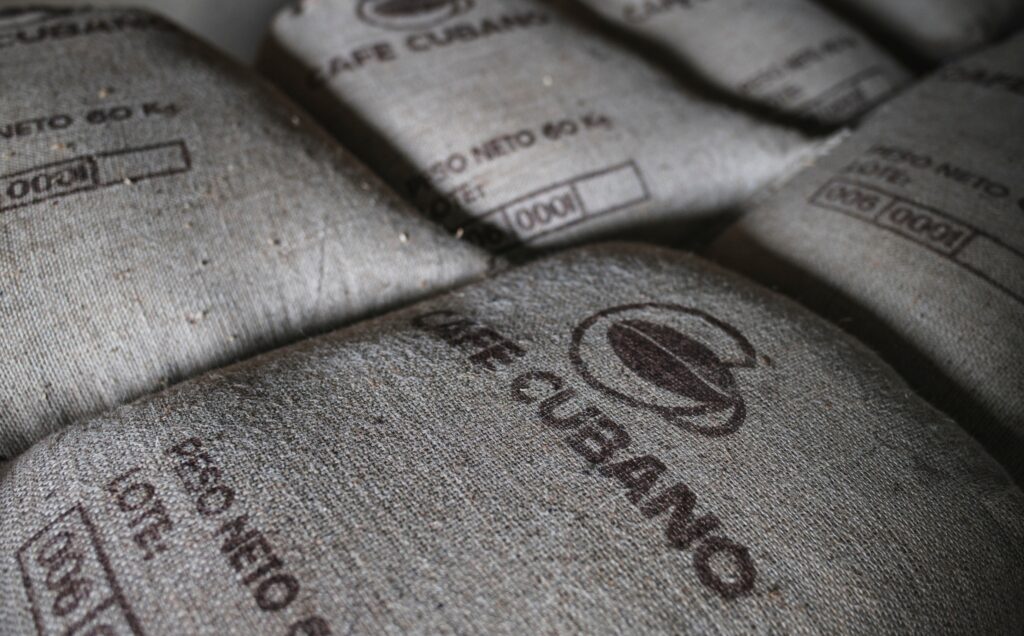
After selection, the beans are ready for export. They are shipped to Italy, where roasting takes place. For this, Lavazza uses drum roasters with a slow and controlled roasting profile. This method is designed not to lose the characteristics built up during cultivation and processing.
After selection and roasting, the result is a coffee with a mild and balanced flavor profile, in which almond and milk chocolate are recognizable, with a slightly sweet finish. The roast of La Reserva de ¡Tierra! Cuba is tailored for consistent use within professional environments.
What remains visible throughout is the succession of choices that precede this coffee. From harvesting and fermentation to selection and roasting. Each step requires time and attention, building on the previous one.
The third and final part of this triptych examines the broader context surrounding La Reserva de ¡Tierra! Cuba. In it, the role of community, culture and collaboration within the Cuban coffee sector takes center stage.
This article is part of a three-part series on La Reserva de ¡Tierra! Cuba.
See also:
Part 1: Origin and Cultivation
Part 3: Community and Culture



















According to Spencer Hyman, founder of the artisanal chocolate platform Cocoa Runners, we need to learn to eat chocolate differently.

Yerevan is best known for its rich history, but is developing into a surprising destination for specialty coffee. On this city trip to the Armenian capital, you’ll discover hidden roasteries, modern coffee bars, and a traditional tea house.

From higher Fairtrade prices and coffee beans for home use to an exhibition on coffee and colonial history: here's what's happening in September.


