


Laatst bijgewerkt op: 15/06/2026
Part 1 of 3 in a three-part series on origin, sustainability, and taste
There’s more to a cup of coffee than just the bean itself. This is also true of La Reserva de ¡Tierra! Cuba, whose origin is shaped by the landscape, the people, and their expertise. The journey begins in the forests of the Sierra Maestra, in eastern Cuba. Here, Lavazza, together with the Fondazione Lavazza, is working on a project centered on quality and sustainability, with a deep commitment to the local landscape.
La Reserva de ¡Tierra! Cuba is an organic coffee that is fully traceable via blockchain technology and grown with care for the forest ecosystem and the communities that work there. The coffee is the result of a supply chain that combines scientific research, local knowledge, and choices in cultivation and processing.
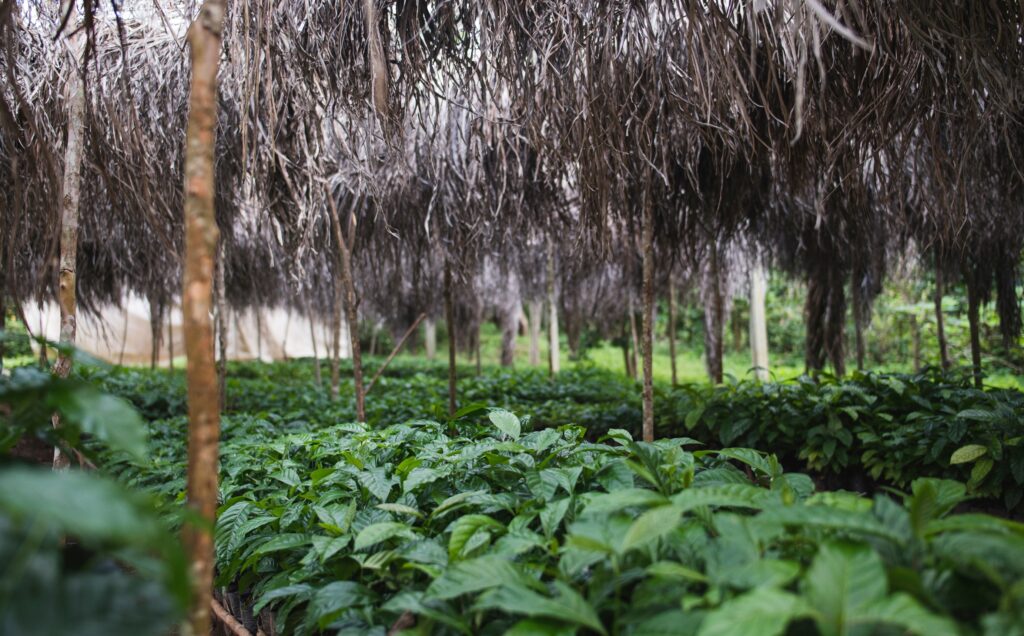
Cuba has a strong tradition of agronomic research. In the island’s interior, INAF, the agroforestry research institute, developed methods for the targeted propagation of coffee plants. One of these is somatic embryogenesis, a technique in which new plants are grown from small pieces of leaf from an existing plant.
This method makes it possible to accurately preserve the characteristics of the parent plant. In practice, this has two effects. On the one hand, desired genetic traits are preserved; on the other hand, it leads to greater uniformity in production. This helps minimize variations between harvests and maintain consistent quality.
This is the first step in producing high-quality coffee. Other decisions along the supply chain build on this foundation.
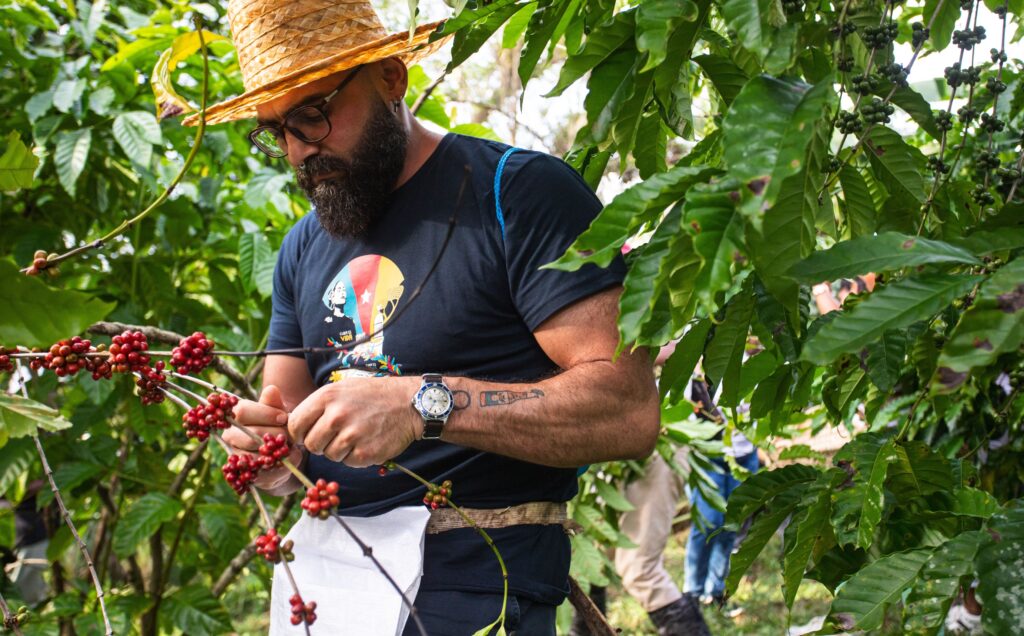
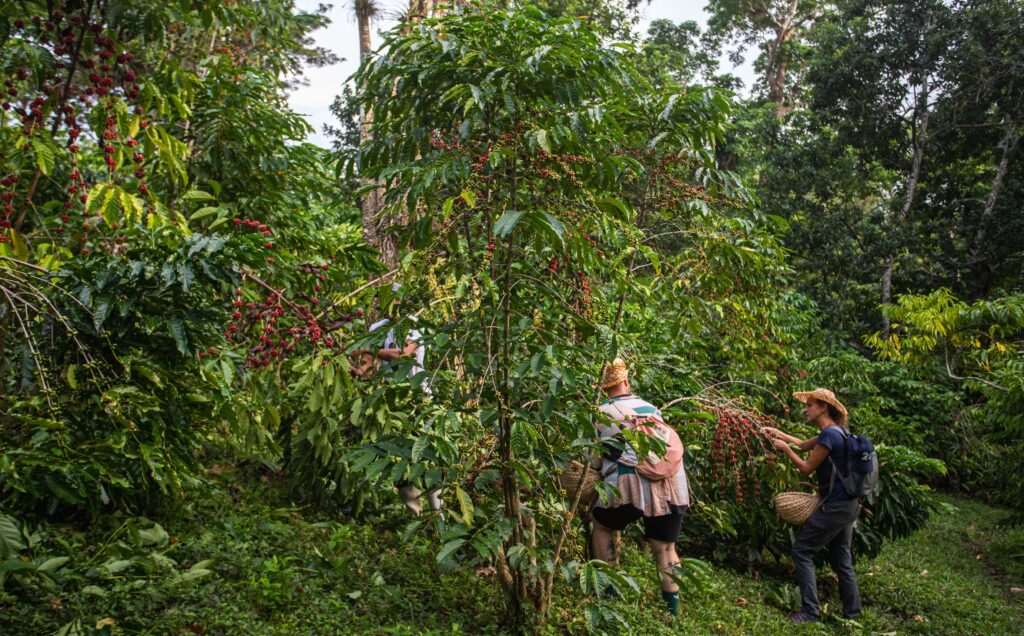
In the Cuban agroforestry model, coffee plants are not grown in intensive monocultures, but within existing forest ecosystems. It is a self-sustaining system: tree canopies protect the coffee plants from direct sunlight, help keep the soil moist, and contribute to the accumulation of organic matter.
Joris Werring, Project Manager at HMSHost Netherlands: “I was expecting neat rows of plants. Instead, I found myself walking through a living forest. With coffee, but also with stories, hands, and faces. That was my biggest surprise.”
The use of pesticides and chemical fertilizers is prohibited here. The result is a production system that supports biodiversity and also provides additional food sources and income for farming families, including through the cultivation of fruit alongside coffee.
This model, which was promoted in the past in part by public institutions, has contributed to a significant shift in land use. Since the 1960s, Cuba’s forest cover has increased from 12 to 42 percent. That figure reflects not only ecological choices but also a broader approach to agriculture and the landscape. In Cuba, coffee is closely intertwined with daily life.
During a trip organized by Lavazza and the Lavazza Foundation, baristas and coffee professionals from various countries had the opportunity to get an up-close look at the production chain. They visited plantations, spoke with growers, and observed various stages of the process, from cultivation and propagation to harvesting and forest management.
Antonio Pane, Sales Director at EuroCoffee UAE: “The next time I serve this coffee, I’ll tell this story. Not just where the coffee comes from, but especially what makes it truly special.”
The program is not designed as a training course, but as an introduction to the field. By closely following the process, participants gain insight into how quality is built up step by step. This knowledge carries over into the daily work of baristas and coffee professionals.
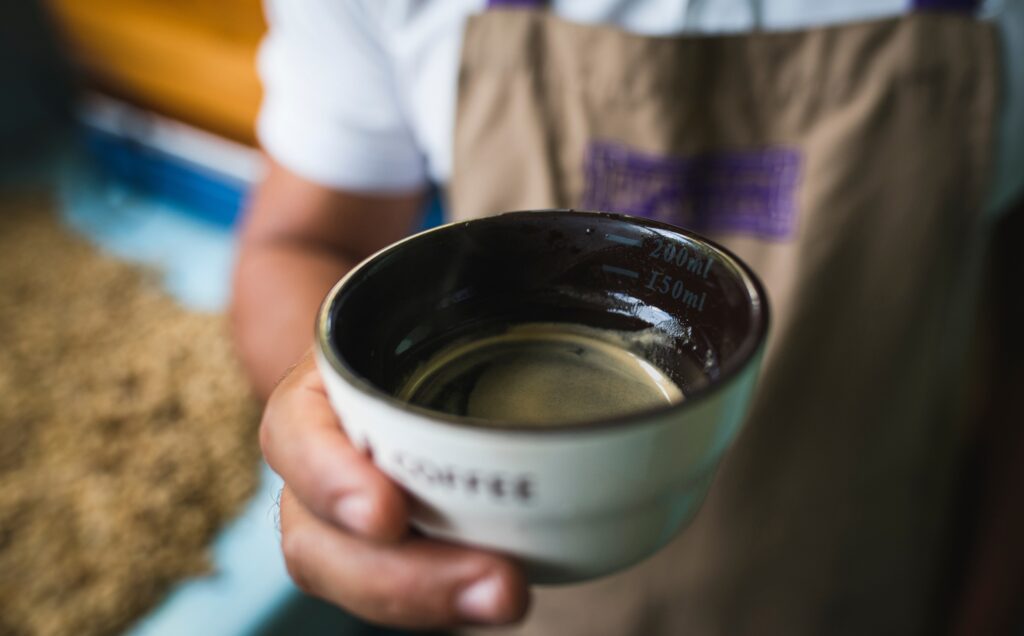
The farming methods used in Cuba are reflected in the coffee’s flavor. The flavor profile is mild and balanced, with notes of almond and milk chocolate and a slightly fruity aftertaste reminiscent of dried plums. The coffee is slow-roasted in drum roasters, a method designed to preserve these characteristics as much as possible.
La Reserva de ¡Tierra! Cuba is certified organic, fully traceable, and sourced from regions and communities participating in the Lavazza Foundation’s sustainability program.
The next part of this three-part series focuses on harvesting and processing. We’ll look at manual sorting, fermentation, and the subsequent steps that determine the quality of the coffee.
This article is part of a three-part series on La Reserva de ¡Tierra! Cuba.
See also:
Part 2: From Harvest to Processing
Part 3: Community and Culture



















According to Spencer Hyman, founder of the artisanal chocolate platform Cocoa Runners, we need to learn to eat chocolate differently.

Yerevan is best known for its rich history, but is developing into a surprising destination for specialty coffee. On this city trip to the Armenian capital, you’ll discover hidden roasteries, modern coffee bars, and a traditional tea house.

From higher Fairtrade prices and coffee beans for home use to an exhibition on coffee and colonial history: here's what's happening in September.


